Network 39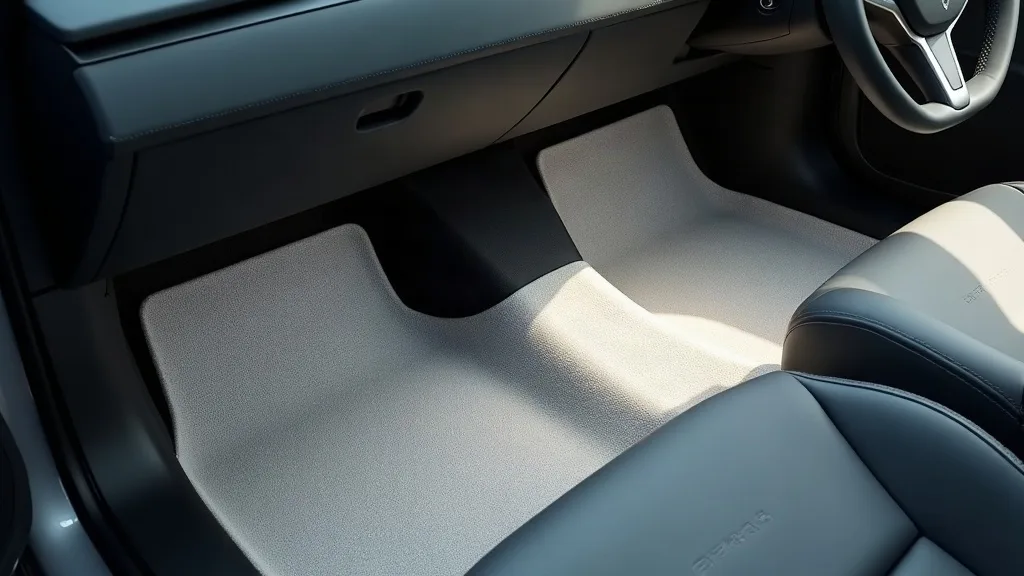
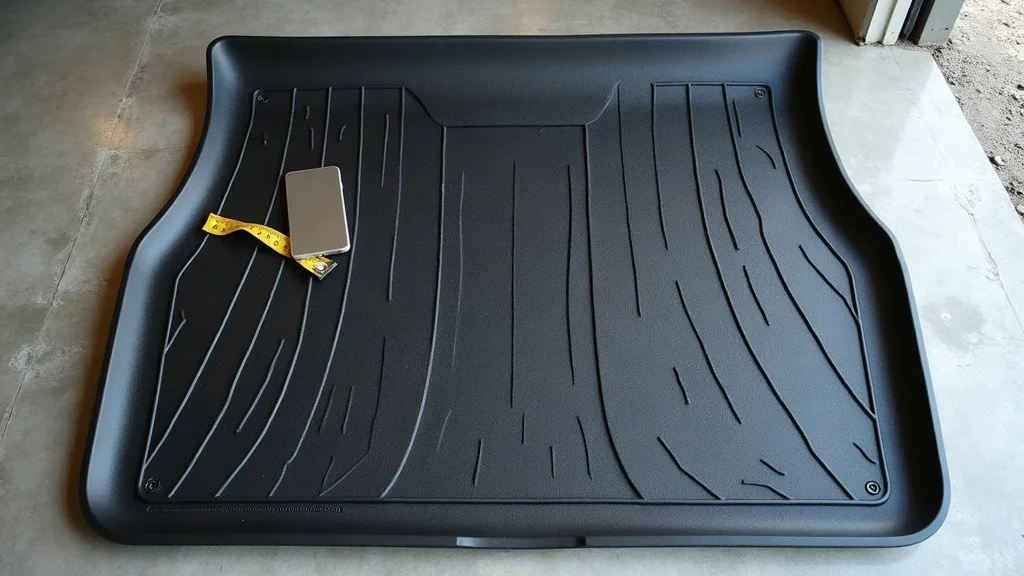
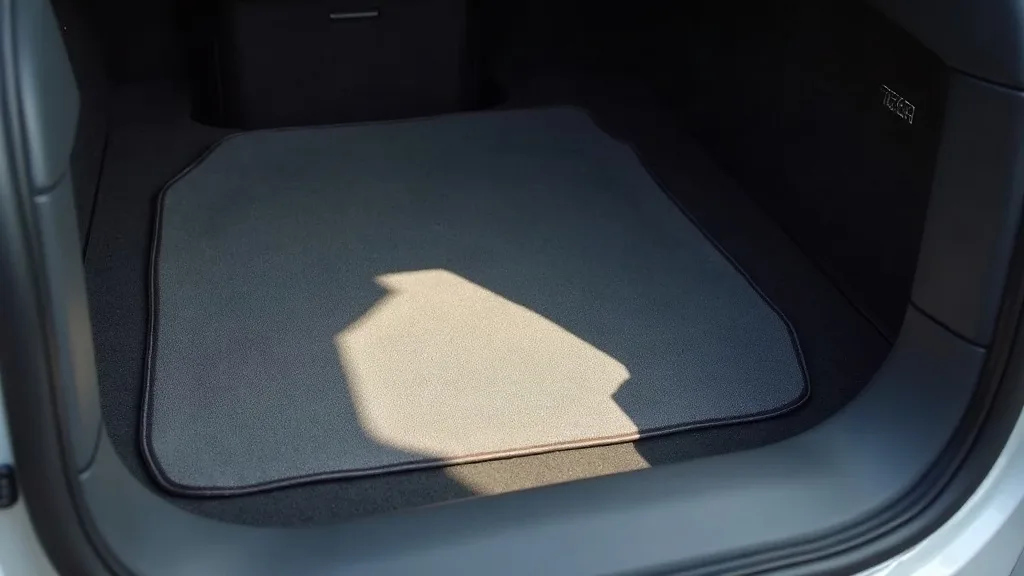
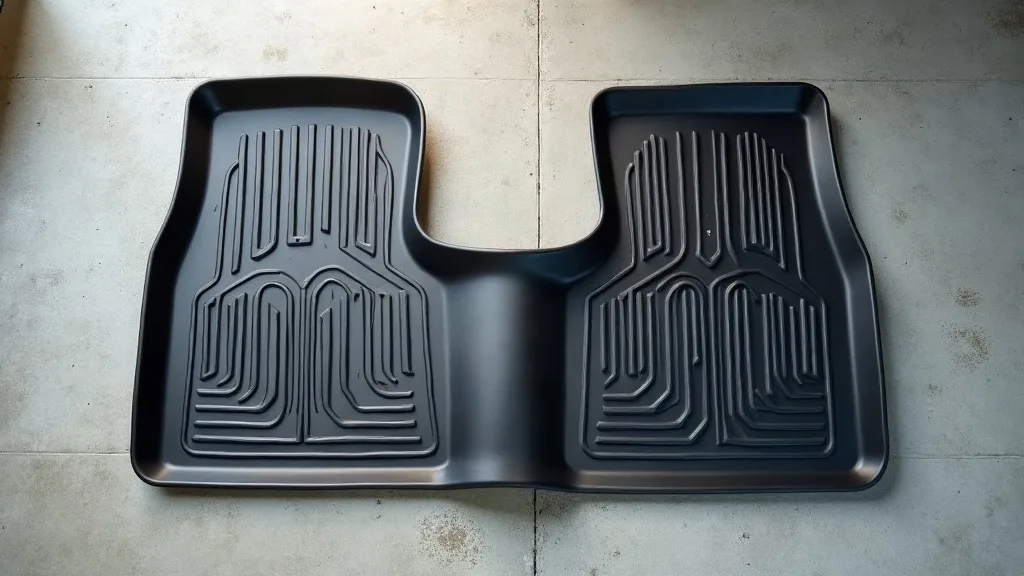
If you've been shopping for Tesla Model Y floor mats, you've probably noticed a material you don't recognise: XPE. It sounds technical, but it's actually one of the simplest materials on the market, and it's turning up in car mats, yoga mats and even camping sleep pads.
In this guide, we'll explain what XPE actually is, how it stacks up against rubber and TPE, and whether it's a smart choice for your Model Y, including the newer Juniper version. By the end, you'll know exactly what to look for when you're picking tesla model y floor mats xpe options online.
Key Takeaways
- XPE stands for cross-linked polyethylene foam, a lightweight, cushioned material often used in car mats and liners.
- XPE mats are softer and warmer underfoot than rubber, but they're not as tough against sharp debris or heavy, repeated wear.
- Rubber mats last longer and handle grit and mud better, while TPE sits somewhere in the middle for durability and comfort.
- XPE mats work well for people who want a quieter, lighter mat and don't deal with heavy off-road mess.
- Juniper (the refreshed Model Y) has slightly different floor dimensions, so always check the mat is listed for the Juniper version.
- No mat is a substitute for proper fitment checks, since loose mats can be a safety issue near the pedals.
What Is XPE Material, Really?
XPE stands for cross-linked polyethylene. It's a foam material made by taking polyethylene plastic and treating it with heat or chemicals so the molecules bond together in a tighter structure. That cross-linking is what gives XPE its bounce and resistance to compressing flat over time.
You've likely touched XPE foam without knowing it. It's the stuff in some yoga mats, playground flooring and protective packaging. In car mats, manufacturers use it as a middle layer or as the main body of the mat because it's light, cushioned, and doesn't hold cold the way some other materials do.
Compared to solid rubber, XPE feels noticeably softer underfoot. Step onto an XPE mat in winter and it won't feel like stepping on a cold slab, which is a small but genuinely nice detail for a daily driver.
XPE vs Rubber: What Changes Day to Day
Rubber mats have been the standard for decades, and for good reason. They're dense, heavy, and resistant to punctures from stones, grit or the odd dropped tool.
XPE trades some of that toughness for comfort and weight. A full set of XPE mats is noticeably lighter to lift out and hose down than a rubber set. The trade-off is that XPE can show wear faster if you're constantly dragging muddy boots or gravel across it.
A Practical Example
Picture two Model Y owners. One works on a building site and tracks dust and small stones into the car daily. The other commutes to an office and occasionally gets caught in the rain. The site worker is better off with rubber, since it shrugs off abrasive grit. The office commuter will likely be happy with XPE, getting a quieter, softer ride for everyday light mess.
If you're still deciding between mat types in general, our complete guide to Tesla Model Y floor mats breaks down more options beyond just XPE and rubber.
XPE vs TPE: The Middle Ground
TPE, or thermoplastic elastomer, is often confused with XPE because the names look similar, but they behave differently. TPE is a stretchy, rubber-like plastic that's more flexible and slightly more durable than XPE foam, while still being lighter than traditional rubber.
Think of TPE as sitting between rubber and XPE on a durability scale. It resists wear a bit better than XPE but doesn't feel quite as plush underfoot. TPE mats also tend to have a slight smell when new, which usually fades within a week or two of airing out.
If comfort is your main priority, XPE wins. If you want something a bit tougher without going full rubber, TPE is a reasonable middle choice.
Why Juniper Owners Need to Double-Check Fitment
The Model Y "Juniper" refresh brought some interior changes, including slightly different floor contours and pedal positioning in some trims. This matters more than people expect, because a mat designed for the older Model Y can sit awkwardly or leave gaps in the Juniper version.
If you're searching for tesla model y juniper xpe mats, make sure the listing specifically mentions Juniper compatibility, not just "Model Y." Sellers who haven't updated their listings sometimes use old moulds, and the mat edges won't line up with the newer floor pan.
What to Check Before Buying
- Confirm the listing mentions the production year range for your car, not just the model name.
- Look at buyer photos rather than just stock images, since real fitment issues show up there first.
- Check whether the mat covers the correct pedal area, since Juniper's layout has small differences from earlier builds.
For tesla model y juniper xpe floor mats specifically, it's worth reading recent reviews rather than older ones, since older reviews may be about the pre-refresh car.
Comfort and Noise: An Underrated Benefit
One thing people don't mention enough is how XPE mats affect cabin noise and comfort. The Model Y is already a quiet car, and rubber mats can sometimes make a faint rattly or slappy sound if they're not perfectly seated. XPE's softer structure tends to sit more quietly and doesn't thud the same way when you step in and out.
This isn't life-changing, but if you're the sort of driver who notices small details, like how the car feels when you grab a charging cable from the boot or step in after rain, it adds up. For more about keeping your charging gear organised in the car, see our guide on what charging accessories come with a Model Y.
Cleaning and Maintenance of XPE Mats
Caring for XPE mats is straightforward, which is part of their appeal. Most can be wiped down with a damp cloth, or rinsed with a hose and left to air dry. Because the foam structure resists water absorption, they dry faster than carpet-style mats.
Avoid using strong solvents or very hot water, since excessive heat can warp foam-based materials over time. A mild soap and lukewarm water combination handles most dirt, salt residue and coffee spills without any drama.
If you're setting your Model Y up for weekend trips or camping, floor mats that clean up easily are a small but genuine convenience. Our car camping gear guide for the Model Y covers other items that make life easier on the road.
When XPE Might Not Be the Right Choice
XPE isn't a universal answer. If you regularly carry pets, go off-road, or haul garden supplies, the foam structure can wear down faster than rubber under sharp or heavy loads. People in very hot climates should also know that XPE can soften slightly in extreme heat, though it generally returns to shape once it cools.
For these higher-demand situations, a rubber or TPE mat, or even a hybrid design with a rubber base and XPE top layer, tends to hold up better long term. It's worth weighing your actual daily use rather than just picking the most comfortable-sounding option.
If you're assembling a broader accessory list for your car, our roundup of must-have Tesla Model Y accessories might help you prioritise where to spend.
Fit, Safety and Final Checks
Regardless of material, any floor mat needs to sit flat and stay anchored near the pedals. A mat that slides forward, even slightly, can interfere with the accelerator or brake, which is a real safety concern rather than a minor annoyance.
Look for mats with retaining clips or textured backing that grips the factory carpet. Give the mat a firm push test after installing it, checking that it doesn't shift when you press down near the pedal area.
While you're checking over your car's interior setup, it's also a good moment to see whether your Model Y originally came with mats at all. Our article on whether the Model Y comes with floor mats explains what to expect out of the box, which affects whether you need a full replacement set or a cheaper add-on option.
Conclusion
XPE is a soft, lightweight foam that makes a genuinely comfortable daily mat, especially if your Model Y mostly deals with light rain, dust and everyday life rather than mud and gravel. It's not as tough as rubber, and TPE sits in between the two for durability. When shopping for tesla model y floor mats xpe, the real decision comes down to how hard you actually use your car, and for Juniper owners, double-checking that the listing matches your specific model year. Take five minutes to compare your daily use against these material differences before you buy, and you'll end up with mats that actually suit how you drive.
FAQ
Are XPE mats waterproof?
XPE foam itself doesn't absorb water the way carpet does, so spills and light rain sit on the surface rather than soaking in. However, the overall mat still needs raised edges or a lip to actually contain liquid, so check the design, not just the material.
Do XPE mats smell when new?
Some XPE mats have a faint odour when first unpacked, similar to new rubber or plastic products. It usually fades within a few days if you leave the mats in a ventilated space or outside briefly before fitting them.
Can I use XPE mats in winter with snow and salt?
Yes, XPE handles cold reasonably well and doesn't get as stiff as some rubber compounds in freezing temperatures. Just rinse off road salt regularly, since prolonged exposure can dull the surface over time regardless of material.
Is TPE better than XPE for a family car?
TPE generally holds up a bit better under frequent wear, like kids' shoes and spilled snacks, because it's slightly denser and more scuff-resistant. XPE still works fine for families with lighter use, but TPE is the safer bet if your car sees heavy daily traffic.
Will a standard Model Y mat fit the Juniper version?
Not always. The Juniper refresh changed some interior contours, so mats made for earlier Model Y years can leave gaps or sit unevenly. Always confirm the listing specifically mentions Juniper compatibility before ordering.
How long do XPE mats typically last?
It varies a lot depending on use, but light daily use can see XPE mats last a few years before showing noticeable wear. Heavy use with grit, pets or frequent off-road trips will shorten that lifespan considerably.
Can I combine XPE mats with boot liners?
Yes, many owners pair XPE floor mats with a separate rubber or TPE boot liner, since the boot deals with different kinds of wear. This combination gives comfort up front and extra durability where you're more likely to load heavier or messier items.