Network 39
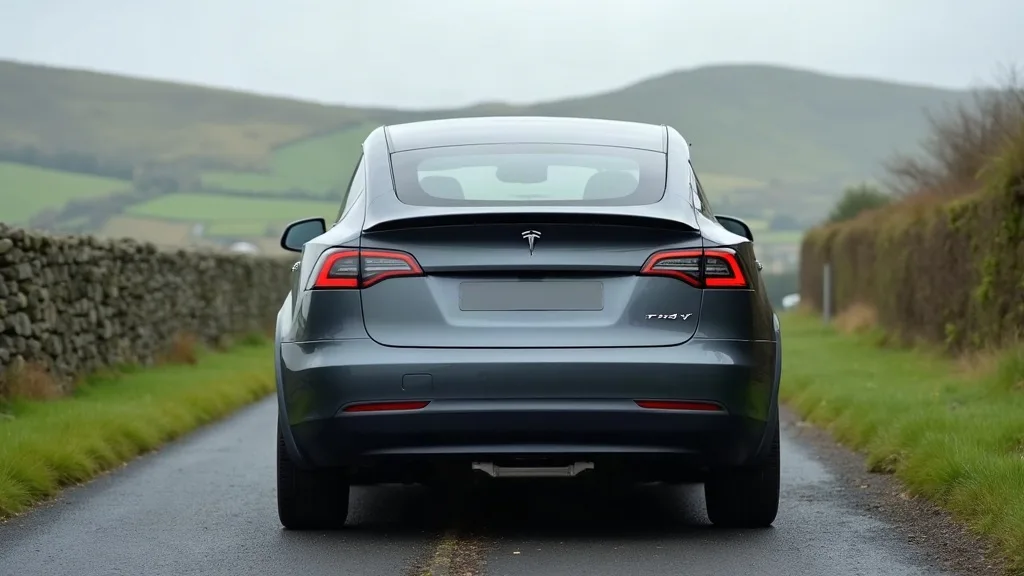
Most Model Y owners never notice the small flap tucked beneath the rear bumper, until the day they need to tow a trailer, caravan or bike rack. That flap hides a surprisingly capable tow hitch that Tesla builds into most Model Y variants, though not every car sold in Ireland and the UK has one ready to use straight away.
This guide walks through everything you need to know about a Model Y tow bar: how factory and retrofitted options differ, what you can actually tow with one, and how to check whether a used Model Y you're considering already has a hitch fitted. We'll also point you to more detailed guides where you need them.
Key Takeaways
- Most Model Y models come tow-ready from the factory, but the hitch is hidden and needs to be released manually.
- A genuine Tesla tow bar package usually includes the hitch, wiring harness and sometimes a tow ball, though exact contents vary by market and order date.
- Retrofitted tow bars exist for Model Y owners whose car wasn't ordered with towing, but they vary in quality and warranty support.
- Irish and UK Model Y tow capacity is commonly quoted around 1,600 kg braked, though you should always check your specific vehicle's documentation.
- A tow bar opens up trailers, caravans, bike racks and cargo boxes as towing accessories, not just caravans.
- Checking a used Model Y for a tow bar takes a few minutes and should be part of any test drive or inspection.
- Wiring and electrics matter as much as the hitch itself, especially for caravans or light boards.
Factory Tow Bars vs Retrofitted Tow Bars
What a Factory Tow Bar Gives You
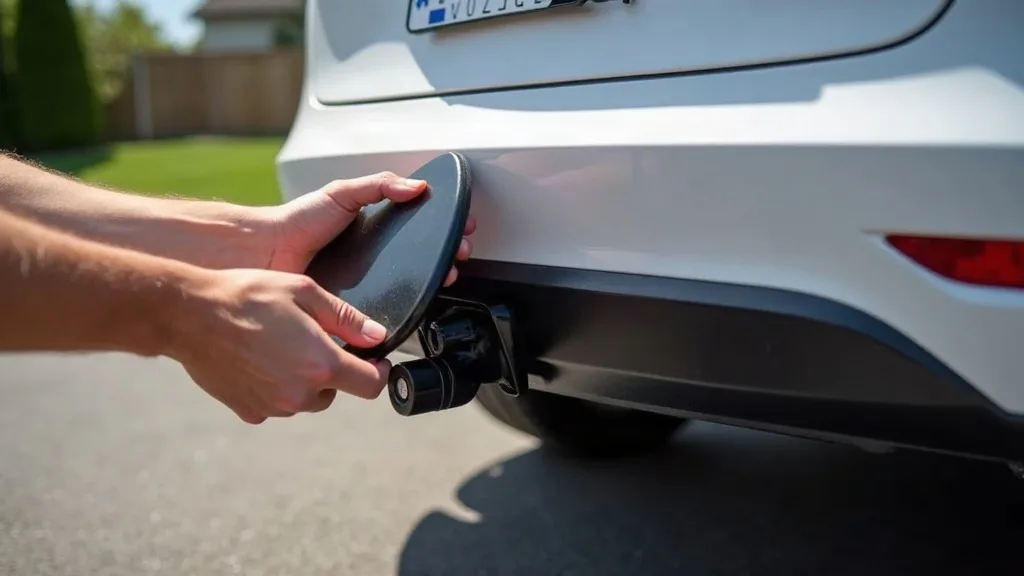
When Tesla builds a Model Y with towing capability, the hitch mechanism sits concealed behind a bumper panel. You release it with a lever or app command rather than bolting anything on afterwards. This approach keeps the rear of the car looking clean when you're not towing, which is one of the nicer touches on the Model Y.
A factory-fitted system typically includes the wiring needed for trailer lights and electric brakes, matched to the car's electronics from day one. That matters because towing electrics on an EV need to work alongside features like regenerative braking and trailer mode, not against them.
Why Some Owners Choose Retrofitting
Not every Model Y left the factory with towing fitted, particularly earlier imports or cars bought without checking the options list closely. For those owners, aftermarket tow bar kits exist, usually from specialists who design bolt-on hitches to match the Model Y's underbody mounting points.
Retrofitted bars can work well, but quality varies a lot between suppliers. Some kits need separate wiring work to get trailer lights and brake signals talking to the car properly, which adds cost and complexity. Always ask an installer whether their kit has type approval and what warranty backs the wiring.
If you already have the hidden factory hitch but aren't sure how to release it, our guide on how to open and use the hidden Model Y tow hitch walks through the exact steps, including what to do if the release feels stuck.
What You Can Actually Tow
A Model Y tow bar isn't just for caravans, though that's the obvious use case for many Irish families heading away for weekends. Braked trailers, small boats, and horse boxes within the weight limit are all fair game once you've checked your car's specific towing capacity.
Bike racks are another popular use, especially for families who don't want bikes scratching the paintwork or blocking the boot. A tow-ball mounted rack carries two to four bikes depending on the model, and it's often easier to load than a roof-mounted system. If you're choosing between roof and tow bar options for gear like kayaks or boards, our guide on carrying a kayak or surfboard on a Model Y compares both approaches.
Cargo boxes that clip onto a tow ball are useful too, particularly for camping trips where boot space runs out fast. These sit lower than roof boxes, which can help with wind noise and fuel efficiency, though they do reduce rear visibility if packed high.
Weight Limits You Should Know
Braked towing capacity for the Model Y commonly sits around 1,600 kg, though this varies by variant and year, so always check your own vehicle's handbook or VIN-specific documentation rather than relying on a general figure. Unbraked limits are considerably lower, usually in the 700 kg range. Going over these limits isn't just risky, it can also affect insurance cover if something goes wrong.
Model Y Tow Bar Packages and Kits Explained
What's Usually Included
A genuine Tesla tow bar package generally covers the hitch mechanism itself, the wiring loom for trailer electrics, and sometimes a detachable tow ball depending on the region and order configuration. Some packages also include a basic trailer light-check function through the car's touchscreen, which is a handy way to confirm everything's wired correctly before you set off.
Third-party tow bar kits for the Model Y vary more widely. Some are marketed as detachable, swan-neck or fixed designs, each with different pros around appearance and towing capacity. Detachable kits let you remove the ball when not towing, which some owners prefer for a tidier rear end, though it does mean an extra step before every trip.
Checking Compatibility Before You Buy
Not every kit fits every Model Y trim, especially given the facelifts and running changes Tesla has made over the years. Always check that a kit explicitly lists your car's build year and market (UK or EU spec, since these sometimes differ slightly). If you're also fitting a roof rack for other gear, it's worth checking that a tow bar kit doesn't interfere with rear sensors, since some lower-cost kits sit closer to parking sensors than Tesla's own design.
Model Y Tow Bar in the UK and Ireland
Irish and UK buyers sometimes find tow bar availability differs slightly from other European markets, often down to how Tesla's ordering configurator lists towing as an option at any given time. If you're ordering new, check the towing option is selected before the car builds, since adding it afterwards usually means a retrofit rather than a factory fitment.
For used buyers, the second-hand market has plenty of Model Y examples with tow bars already fitted, since towing has been a popular option since the car launched. Searching for a "Tesla Model Y with tow bar for sale" rather than just any Model Y narrows your options considerably and can save you the cost and hassle of fitting one later.
Irish towing rules broadly follow similar weight and licence categories to the UK, but if you're new to towing, it's worth double-checking current rules on trailer weight limits and licence categories with the RSA before you tow anything heavier than a small box trailer.
How to Check a Used Model Y Has a Tow Bar
Buying second-hand means you can't always trust a listing description, so a quick physical check saves confusion later.
- Look underneath the rear bumper. You should see a small panel or flap roughly centred beneath the bumper, slightly offset depending on the year.
- Try the release. On factory-fitted cars, you can usually release the hitch through the touchscreen's towing menu or with a manual catch behind the flap. If nothing happens and there's no flap at all, the car likely doesn't have the hidden tow hitch system.
- Check for retrofit signs. Aftermarket tow bars look more visible since they're bolted externally rather than hidden. Look for bolt heads, brackets or paint touch-ups around the rear underside, which can hint at a retrofit job.
- Ask about wiring. A hitch without working trailer electrics is only half useful. Ask the seller to demonstrate trailer lights if possible, or check the car's options list via the VIN if you can access Tesla's service history.
- Check the boot for accessories. Some sellers include tow balls, electrical adapters or even a bike rack as part of the sale, which is worth factoring into price negotiations.
If you've confirmed the hitch is there but you're unfamiliar with releasing and stowing it, the guide on opening and using the hidden Model Y tow hitch covers the process step by step, including common sticking points owners run into with stiff releases.
Tow Hitch Accessories Worth Considering
Once you have a working hitch, a handful of accessories make day-to-day use easier. A tow ball cover protects the ball from corrosion when it's not in use, which matters more in Ireland's damp climate than you might expect. A cable bag keeps the trailer wiring loom tidy and stops it dragging on wet roads.
Bike racks designed specifically for tow balls, rather than generic designs, tend to clear the Model Y's rear light cluster better and reduce the risk of scratching. If you're deciding between a roof rack and a tow bar accessory for carrying gear, it's worth reading our Model Y roof rack guide alongside this one, since each has trade-offs around weight limits, wind noise and ease of loading.
For owners who tow with a loaded roof rack as well, fitting both at once is possible, but you'll want to check your car's combined weight limits carefully, factoring in roof load alongside trailer tongue weight.
Maintaining and Troubleshooting Your Tow Bar
Routine Checks
A quick visual check every few months keeps things running smoothly. Look for rust forming around the ball or hitch mechanism, especially if you live near the coast where salt air speeds up corrosion. Check the electrical connector for the trailer socket isn't cracked or letting in moisture, since a failed connection often shows up as a dashboard warning about trailer lights.
Common Issues
Owners sometimes report the hitch release feeling stiff in cold weather, which is usually down to the mechanism needing a light clean rather than a fault. If the car refuses to recognise a trailer is connected, double-check the electrical plug is seated fully, since a half-connected plug is a common and easily fixed culprit.
If you're fitting a bike rack or cargo box rather than a trailer, remember that towing mode on the touchscreen isn't always necessary, though some accessories do still need the system to register weight on the ball to avoid sensor warnings.
Conclusion
A Model Y tow bar, whether factory-fitted or retrofitted, opens up a lot of practical options: trailers, bike racks, cargo boxes and caravans, provided you respect the car's weight limits. Checking a used Model Y for towing capability only takes a few minutes, and it's worth doing properly before you commit to a purchase or assume a retrofit kit will suit your needs. If you're still deciding how to carry gear day to day, compare this guide with our roof rack options before settling on the setup that fits your trips best.
FAQ
Does every Model Y come with a tow bar?
No, not every Model Y is ordered or built with towing capability. It depends on the options selected at order time and the market the car was sold in, so always check the specific vehicle rather than assuming.
What is the Tesla Model Y tow hitch exactly?
It's a hidden hitch mechanism tucked behind a small panel under the rear bumper. You release it manually or through the touchscreen, and it extends to reveal a standard tow ball mount for trailers and accessories.
Can I retrofit a tow bar to my Model Y?
Yes, several aftermarket kits exist for Model Y owners whose cars weren't ordered with towing. Quality and wiring compatibility vary between suppliers, so check reviews and warranty terms before committing.
How much can a Model Y tow in the UK and Ireland?
Braked towing capacity is commonly quoted around 1,600 kg, though this depends on your exact variant and year. Always confirm the figure for your specific car rather than relying on a general number.
How do I know if a used Model Y has a tow bar?
Check underneath the rear bumper for a small release flap, and try the towing menu on the touchscreen if the car is available to test. Ask the seller directly and check for signs of aftermarket fitting if the hitch looks externally bolted rather than hidden.
Are tow bar kits different for UK and EU Model Y cars?
Sometimes, yes. Minor differences in bumper design or electrics between regions mean a kit designed for one market may not fit perfectly on another, so always check the kit lists your exact build spec.
Can I use a tow bar for a bike rack instead of a trailer?
Yes, tow ball mounted bike racks are a popular use for the Model Y hitch and often easier to load than roof-mounted racks. Just check the rack's weight limit against your tow ball's rated capacity before loading bikes.