Network 39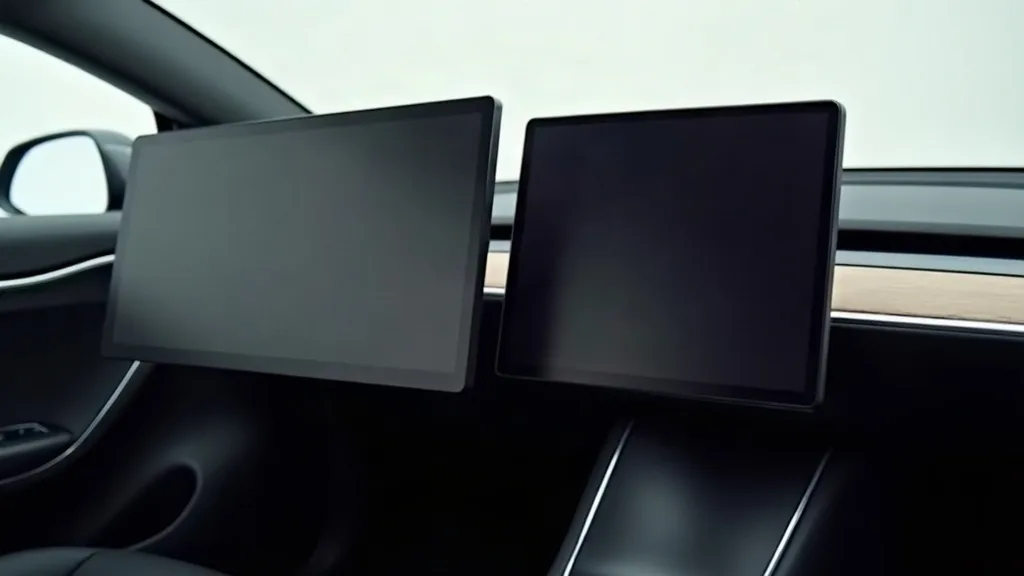
Do Model 3 and Model Y Screen Protectors Swap?
If you've ever bought the wrong phone case because you assumed all "6.1 inch screens" were identical, you already understand the trap waiting for Tesla owners. The Model 3 and Model Y look like siblings from the outside, and their central touchscreens seem almost identical at a glance. But when it comes to the tesla model y vs model 3 screen protector question, assuming they're interchangeable can leave you with a protector that doesn't sit flush, blocks a sensor, or simply won't stick properly.
This guide explains exactly why these two screens differ, how to check compatibility before you buy, and what to do if you've already ordered the wrong one.
Key Takeaways
- Model 3 and Model Y screens are different sizes and shapes, so protectors generally do not swap between them.
- Older Model 3 and Model Y screens (pre-2021 refresh roughly) use horizontal layouts, while newer ones differ in curvature and camera placement.
- Always check your specific model year, not just "Model 3" or "Model Y", before ordering.
- Tempered glass and film protectors fit differently, so material type matters as much as the car model.
- A protector cut for the wrong screen can leave gaps, cover the camera, or lift at the edges within days.
- Buying directly from listings that specify your exact VIN range or build year avoids most fitting problems.
- If you're unsure, measuring your screen's diagonal and corner radius takes two minutes and saves a return.
Why People Assume They're The Same
The Model 3 and Model Y share a lot of DNA. They came from the same design era, use similar interior trim, and both have that large horizontal touchscreen dominating the dashboard. From the driver's seat, it's easy to think one screen protector fits all.
In reality, the Model Y's dashboard is slightly taller and the screen sits at a different angle. The actual glass panel, while similar in width, has subtle differences in height and corner curvature. These differences are small enough to miss by eye but large enough to ruin a precision-cut screen protector.
The Actual Size And Shape Differences
Tesla's screens aren't static across all production years, which makes this trickier than just comparing "Model 3" to "Model Y". Early Model 3 units (2017 to 2020 roughly) have a 15 inch screen with rounded corners and a particular mounting bezel. The Model Y, launched slightly later, uses a screen that looks almost the same size but has its own bezel depth and corner radius.
When Tesla refreshed both vehicles (the Model 3 "Highland" update and later Model Y updates), the screens changed again. Newer units may have different camera cutouts, ambient light sensors, or even a slightly repositioned selfie camera notch at the top.
Why Millimetres Matter
A gap of even two or three millimetres along one edge means dust gets trapped underneath the protector, or the adhesive doesn't seal evenly. Over a few weeks in a hot cabin, an ill-fitting protector often starts lifting at the corners first.
How To Check Compatibility Before You Buy
The safest method is to stop guessing from the model name alone and check three things.
- Your build year. Look at your delivery paperwork or the settings menu under vehicle information. A 2021 Model 3 and a 2023 Model 3 may not use identical screens.
- Screen type. Some listings specify "fits horizontal 15 inch display" or "fits vertical centre console display" for different trims. Match this to what's actually in your car, not what you assume.
- Reviews and photos from your exact variant. If a listing has photos showing the fit on a Model Y but you drive a Model 3, treat that as a warning sign, not reassurance.
If you're also wondering whether you need a protector at all, it's worth reading Does a Model Y Need a Screen Protector? before spending money on the wrong one.
Tesla Model Y Vs Model 3 Screen Protector: Clear Options
A common follow-up question is whether clear protectors behave differently from matte or privacy versions when it comes to fit. The honest answer is that clarity doesn't affect fit at all, it only affects how the screen looks and feels to touch.
Clear protectors are popular because they preserve the screen's brightness and colour accuracy almost perfectly. Matte versions reduce glare but can slightly soften touch responsiveness and add a grainy texture under direct sunlight. Either way, the cut template underneath, whether it's designed for the Model 3's screen shape or the Model Y's, is what determines whether it fits, not the finish.
So if you're choosing between clear and matte, pick based on preference. Just make sure whichever one you choose is listed specifically for your car model and year, not a generic "Tesla screen protector" that doesn't specify details.
What Happens If You Use The Wrong One
Some owners try fitting a Model 3 protector onto a Model Y screen (or vice versa) because they already own one or found a cheaper deal. In most cases, one of three things happens.
- Visible gaps along the edges. The protector sits slightly too small or too large, leaving uneven borders that catch dust and look obviously off.
- Camera or sensor interference. If the cutout for the selfie camera or ambient sensor doesn't line up, you might get blurry footage from the cabin camera or an odd light flicker.
- Peeling within days. Adhesive that doesn't sit flush across the whole surface tends to lift from one corner first, then spread.
None of these are dangerous, but they're annoying enough that most people end up buying the correct one anyway, meaning the "savings" from reusing an old protector often don't materialise.
Film Versus Tempered Glass Fitting Differences
Beyond car model differences, the material of the protector itself changes how forgiving the fit needs to be. Thin PET film protectors are flexible and can sometimes mould slightly around minor shape mismatches, though this isn't guaranteed and shouldn't be relied upon.
Tempered glass protectors, on the other hand, are rigid. They're cut to a fixed shape and won't bend to accommodate a slightly different screen curve. If you're torn between the two, a glass protector offers better scratch resistance but demands a more exact fit, while film is more forgiving but wears out faster.
For a broader rundown of what's available and how they differ, Model Y Screen Protectors: Everything You Need to Know covers the main types in more depth.
Checking Your Screen Before Ordering
If you want to be completely sure before clicking "buy", a two-minute physical check beats relying on product descriptions alone.
- Measure the screen's width and height with a tape measure, corner to corner along each edge.
- Note the corner radius, basically how rounded the corners are, by comparing to a coin or household object of known size.
- Check for any physical features near the screen edge, like a camera dot or sensor strip, and note their position.
- Compare these measurements against the product listing's stated dimensions, not just the labelled car model.
This takes longer to describe than to actually do, and it removes almost all the guesswork.
What To Do If You Already Bought The Wrong One
If you've already got a protector that doesn't fit, don't force it on by stretching the film or trimming it with scissors. Cutting tempered glass isn't possible safely at home, and trimming film often leaves jagged edges that peel faster.
Most reputable sellers accept returns if the item is unused and still sealed, so check the return policy before attempting any DIY fix. If it's film and only slightly oversized along one edge, a careful trim with a sharp blade and a steady hand can sometimes work, but this is a last resort rather than a recommended method.
While you're sorting out interior accessories, it's also worth checking whether your floor mats are correctly matched to your trim, since mat-fit mistakes are surprisingly common too. Do Model Y Mats Fit Every Version and Trim? walks through a similar compatibility issue in more detail.
Conclusion
The short answer to whether Model 3 and Model Y screen protectors swap is no, not reliably. The screens look similar but differ enough in size, curvature and sensor placement that a protector made for one car rarely sits well on the other. When you're comparing tesla model y vs model 3 screen protector options, the safest approach is always to match the product to your exact model year rather than trusting a general label. Before you order anything, take two minutes to measure your screen and double check the listing details, it's a small step that saves you a return and a wasted protector.
FAQ
Can I use a Model 3 screen protector on a Model Y?
Generally no. The screens differ in size and corner shape enough that a Model 3 protector will likely leave gaps or misalign with sensors on a Model Y screen. Always buy one specifically listed for your model and year.
Do all Model Y screens use the same protector?
Not necessarily. Pre-refresh and post-refresh Model Y screens can have slightly different dimensions or camera placements, so it's worth checking your build year against the product listing.
Is a matte or clear protector better for visibility?
Clear protectors keep the screen looking sharp and bright, which most people prefer for everyday use. Matte protectors reduce glare in sunlight but can slightly dull touch responsiveness and clarity.
How do I know my exact Tesla screen size?
Check your vehicle information in the car's settings menu for the model and build year, or measure the screen directly with a tape measure. Comparing this to the product listing's stated dimensions is the most reliable check.
What if my new protector doesn't fit properly?
Stop trying to force it into place, as this often causes bubbling or peeling. Contact the seller about a return or exchange rather than attempting to trim glass or stretch film at home.
Does screen protector fit affect the cameras or sensors?
Yes, a poorly matched cutout can partially cover the cabin camera or ambient light sensor, affecting features like Sentry Mode footage or automatic brightness. This is one of the main reasons getting the exact fit right matters.