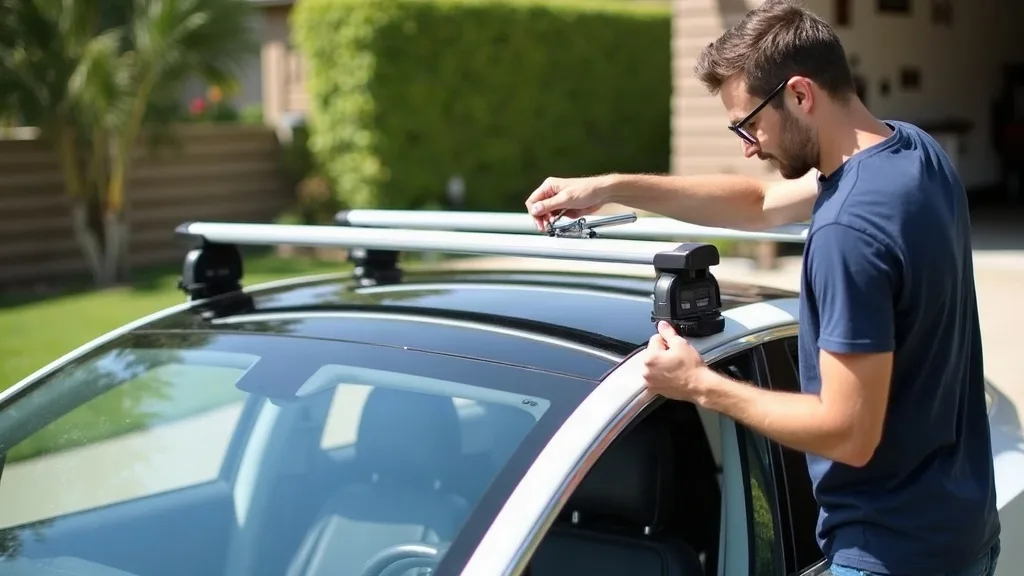
Network 39
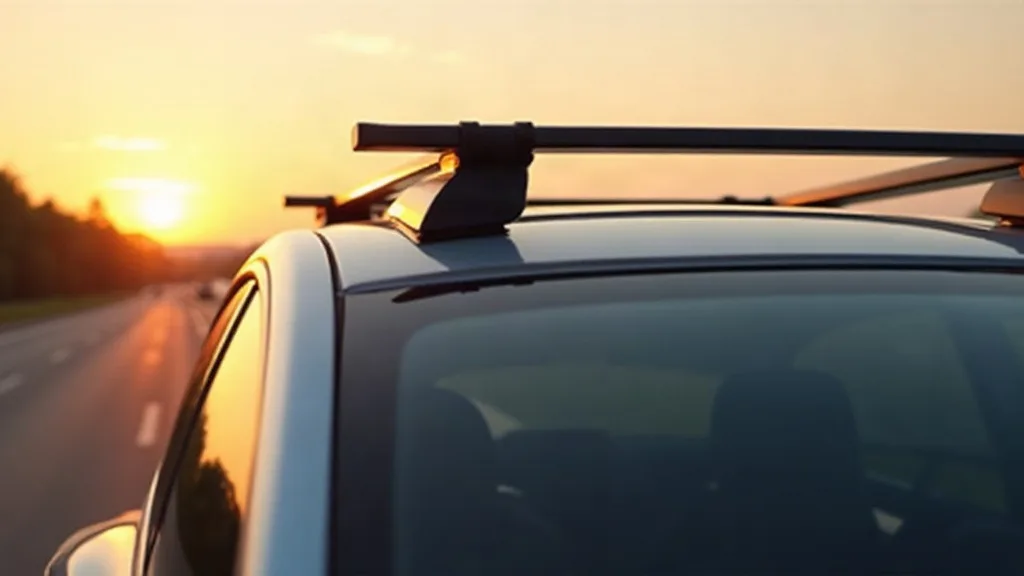
That faint whistle or drone that starts around 80 km/h and gets louder on the motorway is one of the most common complaints from Model Y owners with a roof rack fitted. It's not a fault with your car or a sign something is loose (usually), it's just physics. Air hits the bars, the fairings, and any gap around your load, and turns that movement into noise.
The good news is that Model Y roof rack wind noise is almost always fixable without buying new gear. This guide walks through the practical fixes, from checking bar position to adding a fairing or rubber strip insert, so you can get your motorway drives back to something close to silent. Expect to spend 30 to 60 minutes working through these steps, and you don't need any special tools beyond what came with your rack.
What You'll Need
- Your Model Y roof rack crossbars (Tesla OEM or aftermarket)
- A torque wrench or the Allen key supplied with your rack
- A tape measure
- A wind deflector or fairing (optional, sold separately for most racks)
- Rubber or foam strip insert, sometimes called a wind strip (optional)
- A soft cloth and some isopropyl alcohol wipes
Step 1: Check the Crossbar Spacing and Position First
Before buying anything, rule out the simplest cause: bar position. Most whistling comes from bars that are too close together, too far apart, or just slightly off from the manufacturer's recommended spacing.
- Check your rack's manual or the markings on the roof rails for the recommended gap between bars.
- Measure the actual distance between your two crossbars.
- If they're not within a centimetre or two of the spec, loosen the mounting clamps and adjust.
- Retighten to the manufacturer's torque setting, usually found in the fitting instructions.
If you're not sure what spacing your rack should use, it's worth checking Model Y roof rack dimensions and specs for reference figures before you start moving anything.
Step 2: Tighten Everything Properly
A surprising number of whistles turn out to be a slightly loose clamp rather than airflow at all. Loose bars vibrate against the roof rails or glass, and that vibration reads as a whistle rather than a rattle.
- Check each mounting point by hand, trying to twist or rock the bar.
- Use a torque wrench where possible, as over-tightening can also cause problems (and stress on glass-roof cars).
- Pay attention to the feet or clamps nearest the windscreen, as these take the brunt of the airflow.
If you've got the glass roof version of the Model Y, it's worth reading protecting Model Y roof glass from a roof rack at this point too, since over-tightened clamps are a common cause of both noise and glass stress.
Step 3: Rotate or Flip Aerodynamic Bars
Most modern crossbars, including Tesla's own OEM bars, have an aerodynamic profile designed to cut noise when installed facing the right way. It's easy to fit them slightly rotated, especially after taking them off and back on.
- Look for an arrow or "front" marking on the bar, usually near the clamp.
- Make sure this marking faces towards the front of the car on both bars.
- If there's no marking, check whether the bar has a teardrop shape; the narrow edge should face forward.
A bar fitted backwards can turn a near-silent rack into one that whistles constantly, even at low speeds.
Step 4: Add a Wind Deflector or Fairing
If spacing and orientation are already correct, a wind deflector (sometimes called a fairing) is the next step. This is a small aerodynamic piece that mounts in front of the front crossbar and smooths the airflow before it hits the bars and any gear you're carrying.
- Check whether your rack brand sells a dedicated fairing designed for your bar shape; a mismatched fairing can create more noise, not less.
- Mount it according to the instructions, usually clamping to the same roof rails as your front bar.
- Angle it so the leading edge sits slightly higher than the bar behind it, which directs air up and over rather than straight into the bars.
A model Y roof rack wind deflector won't always eliminate noise completely if you're also carrying a roof box or kayak, but it usually cuts the volume noticeably, especially on bars without their own aerodynamic shape.
Step 5: Fit a Rubber Strip Insert
Many crossbars, particularly square or round profile ones, have a slot along the top designed for a rubber or foam strip insert. These are sometimes included in the box and often ignored because they look purely decorative. They're not; they disrupt the airflow pattern that causes whistling.
- Check the top of your crossbar for a thin channel or groove running its length.
- If you have a strip that came with the rack, clean the groove with a cloth and press the strip firmly into place, working from one end to the other.
- If you don't have one, these strips are sold separately by most rack manufacturers and are inexpensive.
- Trim any excess length with scissors once fitted, leaving a few millimetres overhang at each end.
This step alone resolves a lot of mid-pitch whistling complaints, particularly on bars that don't have a built-in aero profile.
Step 6: Check for Gaps Around Roof Box or Cargo
If the whistle only appears when you've got a roof box, kayak, or bike rack attached, the rack itself might not be the problem. Gaps between your cargo and its mounting points are a common source of noise that gets blamed on the crossbars.
- Check that any roof box is latched and seated evenly on both bars.
- Look at strap tension if you're carrying a kayak or board directly on the bars; loose straps flap and whistle.
- Check that bike or kayak mounts are tightened fully, as a slightly loose cradle can vibrate at speed.
If you regularly carry boards or kayaks, it's worth reading how to carry a kayak or surfboard on a Model Y for mounting tips that also happen to reduce noise.
Step 7: Remove the Rack When Not in Use
This sounds obvious, but it's the fix most people skip. If you only use your roof rack a few times a month, leaving it on permanently means you're accepting Model Y roof rack wind noise every single day for convenience you only need occasionally.
- Check how quickly your specific rack mounts and unmounts; many modern systems take under five minutes per bar.
- Store bars in the boot or garage rather than leaving them on the roof between trips.
- If you're swapping racks between a Model Y and another Tesla, check compatibility first; see does a Model 3 roof rack fit the Model Y if you're considering sharing gear between cars.
Common Mistakes to Avoid
- Over-tightening clamps to stop noise. This can crack or stress the glass roof on Model Y and doesn't usually fix whistling anyway.
- Buying a generic fairing without checking bar shape. A fairing designed for a round bar won't sit correctly on a square or aero profile bar, and can add noise instead of reducing it.
- Ignoring bar orientation after refitting. It's easy to put bars back on facing the wrong way after removing them for a car wash or service.
- Blaming the rack for roof box or strap noise. Always rule out loose cargo before assuming the crossbars themselves are at fault.
- Skipping the rubber strip insert because it looks cosmetic. It has a real aerodynamic job to do, not just a tidy appearance.
Conclusion
Model Y roof rack wind noise almost always comes down to one of a handful of causes: bar spacing, orientation, loose fittings, or missing aerodynamic extras like a fairing or rubber strip. Work through the steps in order, starting with the free fixes like checking spacing and tightness, before spending money on a wind deflector. Most owners find that a combination of correct bar position and a rubber strip insert solves the problem completely, with a fairing only needed if you're regularly carrying a roof box or similar cargo.
FAQ
Why does my Model Y roof rack whistle at motorway speeds?
It's usually airflow hitting the crossbars at a certain speed and angle, which happens more at motorway speeds because the airflow is faster and more consistent. Check bar spacing, orientation, and tightness first, as these are the most common causes.
Do all Model Y roof racks need a wind deflector?
No. Many aerodynamic crossbars, including Tesla's OEM bars, are designed to run quietly without one. A deflector mainly helps when you're carrying a roof box, bike rack, or other cargo that creates extra drag.
Will a rubber strip insert fit any crossbar?
Not always. Strips are usually sized for specific bar shapes and brands, so check your rack's groove width before buying one. Many racks include a strip in the box that owners don't realise needs fitting.
Can a loose roof rack damage my Model Y's glass roof?
It's possible if clamps are over-tightened to try to stop noise, or if a rack shifts around at speed due to being under-tightened. For more on this, see the guide on protecting Model Y roof glass from a roof rack.
Is it normal for a new roof rack to be noisy before it's run in?
Some very minor noise can settle after the first few drives as components bed in, but persistent whistling isn't something you should expect to disappear on its own. If it's still noisy after a week of driving, work through the fixes in this guide.
Does removing the roof rack when not in use really make a difference to noise?
Yes. Any rack, no matter how well designed, adds some aerodynamic drag and noise compared with a bare roof. Removing it when you don't need it is the simplest way to avoid the issue entirely.