Network 39
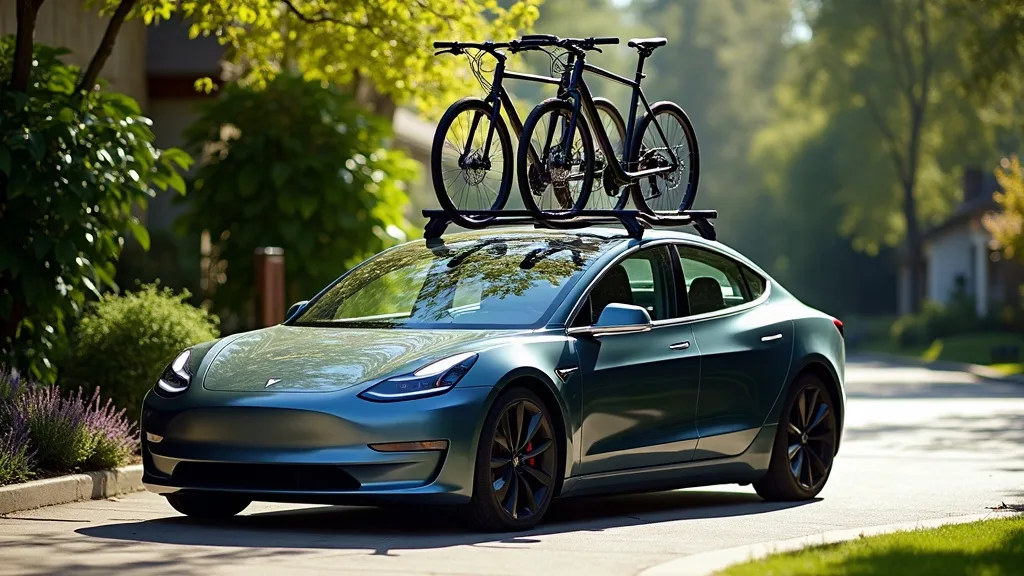
A Model Y roof is big, smooth and covered almost entirely in glass, which makes it a brilliant surface for sunlight and a slightly nerve-wracking one for bike carriers. Plenty of owners assume a hatch-style roof rack bike setup will just clip on like it did with their old hatchback, then discover there's no glass trim, no raised seams and very little margin for a wobbly mount. Get it right, though, and a Model Y roof rack bike setup is genuinely one of the easiest ways to haul two or three bikes without touching the boot space.
This guide covers how many bikes you can realistically fit, which roof-mounted carriers suit the Model Y's smooth roof and glass panel, and how to load bikes without scratching or cracking anything. We'll also look at torque, clearance and a few mistakes that trip up first-timers.
Key Takeaways
- Most Model Y roof racks comfortably hold two to three bikes, though three starts to push width and wind resistance limits.
- Wheel-on and fork-mount carriers both work, but wheel-on trays are easier for mixed bike sizes and quick stops.
- The glass roof panel means you should always lift bikes onto the carrier rather than dragging or sliding them.
- Crossbars need to sit on Tesla's factory mounting points or a compatible aftermarket base, not directly on the glass.
- Check your total roof load limit, since bikes plus racks add up faster than people expect.
- Spacing bikes correctly stops pedals and handlebars from clashing during transport.
- A quick torque and strap check before every trip prevents most roof rack bike mishaps.
How Many Bikes Fit On A Model Y Roof
Two bikes is the sweet spot for most Model Y owners. The roof is wide enough for two standard crossbars spaced to fit most carrier types, and two bikes keep the load centred and manageable at motorway speeds.
Three bikes is possible with narrower trays or a mix of carrier types, but you'll notice more wind noise and a wider profile overall. If you regularly carry three, look at whether a hitch-mounted rack might suit one or two of the group instead, since splitting the load between roof and rear can feel more stable.
Four bikes on the roof alone isn't realistic for a Model Y. The crossbar length and total roof capacity simply don't support it safely, so don't be tempted by carriers marketed for larger SUVs.
Choosing A Model Y Roof Rack Bike Mount
Wheel-On Trays
Wheel-on carriers hold the front wheel in a tray and secure the frame with an arm, so you never touch the bike's paint or components directly. They're quick to load, work with most bike sizes, and are the most forgiving option if you're swapping bikes between family members.
Fork-Mount Carriers
Fork-mount carriers remove the front wheel and clamp the fork directly to the rack. They're lighter and more aerodynamic, but you need to carry the front wheel separately and they're less convenient if you're hopping between different bikes.
What To Avoid
Skip any carrier that clamps directly onto the roof edge or relies on suction alone. The Model Y's glass panel and smooth bodywork aren't designed for that kind of grip, and you risk both poor security and surface damage. If you're still deciding between Tesla's own rack and aftermarket options, it's worth reading through Tesla Roof Rack vs Aftermarket Racks for the Model Y before you buy anything.
Setting Up Crossbars Before Adding Bikes
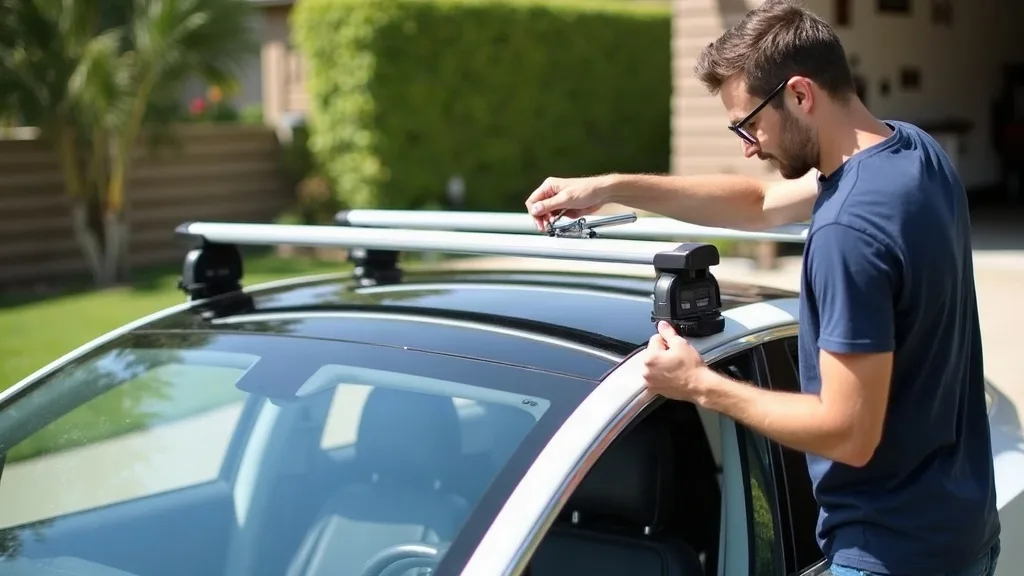
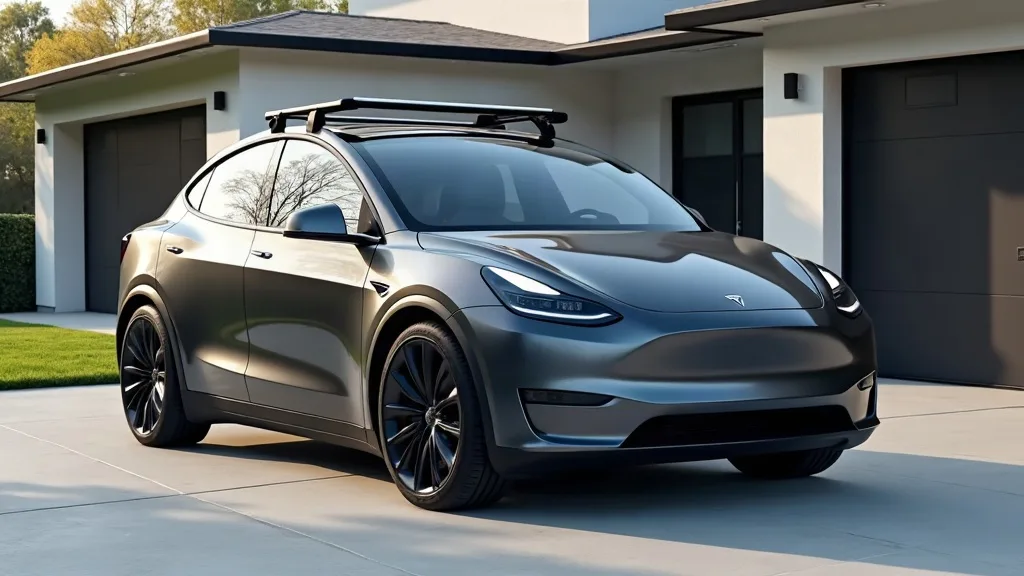
Bikes are heavy, awkward and often loaded in a rush, so get your crossbars sorted first. Tesla's Model Y has fixed mounting points along the roof rails, and most reputable racks are designed to click into these rather than clamp onto the glass itself.
Space your crossbars as wide as the mounting points allow. Wider spacing gives bike trays more stability and spreads the load better, which matters once you've got two bikes swinging slightly at speed.
If you've never fitted a rack system before, the Tesla Model Y Roof Rack: The Complete Owner's Guide walks through the whole setup from box to road, including which bolts and adaptors you'll actually need.
Loading Bikes Without Hitting The Glass
This is where most scratches and dents happen, not from driving, but from the loading itself.
Lift, Don't Slide
Always lift the bike up and over the roofline rather than resting it on the glass panel while you adjust straps. Even a soft rubber pedal or chainring can mark the glass if it's dragged across.
Load From The Side, Not The Back
Standing at the side of the car gives you better control of the bike's weight and angle. Trying to walk a bike up from behind the car often means tilting it across the rear glass, which is exactly the surface you want to avoid touching.
Use A Step If You're Not Tall
The Model Y roof sits higher than a typical hatchback. If you're under about 170cm, a small step or kerb-side loading makes a real difference to control and reduces the temptation to rest the bike on the roof while you catch your breath.
Watch The Front Wheel Clearance
Wheel-on trays need the front wheel seated fully before you tighten the arm. A half-seated wheel can rock during loading and knock against the glass panel, so always check it's settled before moving on to strapping.
Spacing And Positioning Multiple Bikes
When you're running two or three bikes, alternate handlebar height where possible. Turning one bike's handlebars one way and the next bike's the other way stops bars and brake levers from knocking together over bumps.
Position the heaviest or largest bike closest to the front of the roof. This keeps the weight distribution slightly forward, which tends to feel more stable than a rear-heavy setup, especially in crosswinds.
Leave a visible gap between pedals too. A couple of centimetres stops pedals from clashing, and it also makes it easier to check each bike's straps without squeezing your hand between frames.
Weight Limits And Wind Resistance
Every roof rack system has a stated maximum load, and it's usually lower than people expect once you add the weight of the rack itself. A typical setup might handle somewhere in the range of 50 to 75kg total, but always check your specific rack and the Model Y's dynamic roof load limit rather than guessing.
Two or three bikes plus trays can get close to that limit faster than you'd think, especially with heavier e-bikes becoming common. If you're carrying e-bikes, check individual bike weight before loading, since some exceed 20kg each.
Wind resistance is the other factor. Bikes on the roof noticeably affect range and can introduce whistling at speed. If you're already dealing with noise from your rack setup, the guide on How to Stop Model Y Roof Rack Wind Noise and Whistling has some practical fixes worth trying before a long trip.
Protecting The Roof And Glass Long Term
Regular bike loading puts repeated stress on the same contact points, so it's worth checking for wear every few trips. Rubber pads on tray arms wear down over time and can start letting metal brackets sit closer to the glass than intended.
A light protective film or mat under the crossbar feet adds another layer of reassurance if you're loading and unloading often. For a fuller look at keeping the glass panel in good condition over years of rack use, see Protecting Model Y Roof Glass From a Roof Rack.
It's also worth thinking about car washes once bikes are off the roof but the rack stays on. Not every wash is rack-friendly, and the article on Can You Take a Model Y With a Roof Rack Through a Car Wash? covers what to check before you drive in.
Pre-Trip Checks Before Every Drive
A quick five-minute check before setting off catches most problems before they become expensive ones.
- Check crossbar bolts are torqued to the manufacturer's spec, not just hand-tight.
- Tug each bike gently from the top tube to confirm it's secure in the tray or fork mount.
- Walk around the car and check frame straps and wheel straps are snug, not just present.
- Look at tyre clearance against the rear window and spoiler if you're running three bikes.
- Confirm your rack keys are with you, not left in a drawer at home, which matters more than people think if you need to adjust anything mid-trip. The guide on Model Y Roof Rack Keys and Replacement Parts is handy if you've misplaced yours before a trip.
Conclusion
A Model Y roof rack bike setup works well once you respect the glass roof, pick a carrier that mounts properly rather than clamping straight onto the panel, and keep an eye on total weight and spacing. Two bikes is the easiest, most stable choice for most trips, with three possible if you're careful about wind and clearance. Before your next outing, run through the pre-trip checklist above, it takes a few minutes and saves a lot of worry on the motorway.
FAQ
Can I fit a roof rack directly onto the Model Y's glass panel?
No, you should always use the factory mounting points along the roof rails rather than resting any bracket directly on the glass. Mounting onto bare glass risks both poor grip and surface damage over time.
How many bikes can a Model Y roof rack safely carry?
Most setups handle two bikes comfortably, with three possible using narrower trays or a mix of mount types. Four is not realistic given typical crossbar length and roof load limits.
Do wheel-on or fork-mount carriers work better for a Model Y?
Wheel-on trays are generally easier because they don't require removing the front wheel, which suits quick stops and mixed bike sizes. Fork-mount carriers are lighter and more aerodynamic but need extra wheel storage.
Will carrying bikes on the roof affect my Model Y's range?
Yes, noticeably. Wind resistance from bikes and the rack itself can reduce range more than most other roof loads, so plan charging stops accordingly on longer trips.
How do I avoid scratching the roof when loading bikes?
Always lift bikes up and over the roofline instead of sliding them across the glass, and load from the side rather than the rear. A small step helps shorter riders keep better control during loading.
Is it safe to drive through a car wash with bikes removed but the rack still on?
It depends on the type of wash and rack design, since some automated washes aren't compatible with roof-mounted hardware. Check specific guidance before driving in rather than assuming it's fine.