Network 39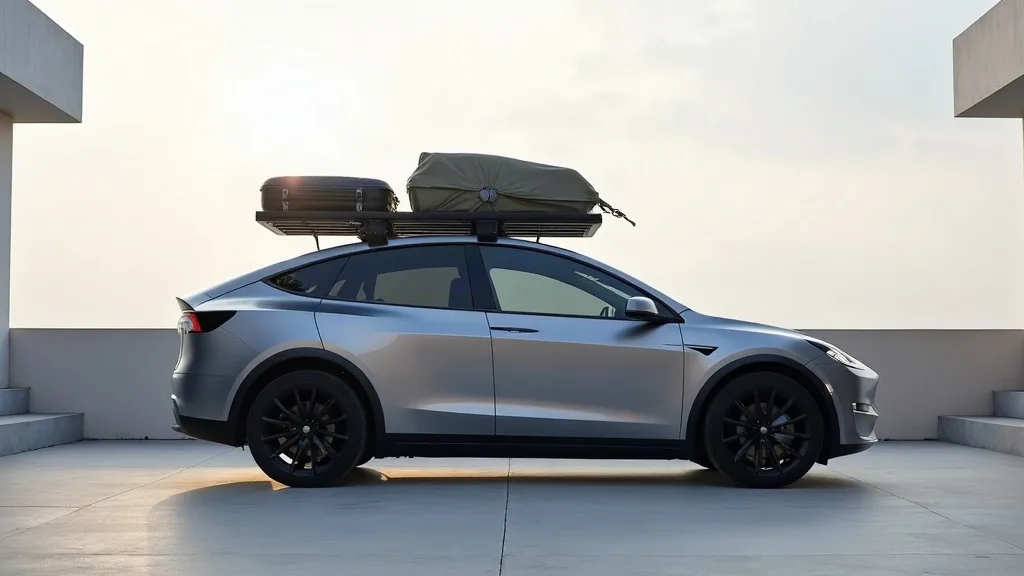
Most Model Y owners assume a roof rack weight limit is one simple number. It isn't. Tesla actually gives you two very different figures, one for driving and one for parking, and mixing them up is how roof boxes end up denting roofs or sliding off at motorway speed.
This guide breaks down model y roof rack capacity in plain terms, points you to where Tesla actually publishes the figures, and walks through how to add up your rack, box and gear without guessing.
Key Takeaways
- Tesla sets a lower dynamic (driving) limit and a higher static (parked) limit for the Model Y roof.
- The dynamic limit covers the rack bars, your roof box or bike carrier, and whatever is inside or attached to them.
- The static limit only applies when the car is stationary, such as camping gear sitting on top while parked.
- Always check your car's manual or Tesla's official specifications, since figures can vary between Model Y versions.
- Roof rack weight includes the rack itself, not just the cargo you load onto it.
- Exceeding the dynamic limit affects handling, braking distance and can void warranty cover.
- Heavier loads also increase wind noise and drag, which is worth factoring in before a long trip.
Driving Versus Parked Weight Limits
Tesla splits roof capacity into two categories because the forces acting on your roof change completely once the car starts moving. When you're driving, the roof deals with braking forces, cornering sway and wind pressure on top of the actual weight sitting up there. When the car is parked, none of that applies, so the roof can safely hold more.
This is why Tesla's dynamic limit is noticeably lower than its static one. A loaded roof box that feels secure on a quiet street can behave very differently during an emergency stop on a motorway. The dynamic figure is the one that matters for almost everyone, since most of us load the roof and then drive somewhere.
Why The Gap Exists
Engineers build in that gap because moving loads create stress the roof structure wasn't designed to handle at higher weights. Braking hard with a heavy box up top shifts weight forward in a way that static weight never tests. That's the main reason Tesla, like most manufacturers, treats "driving" and "parked" as separate limits rather than one number.
Where To Find The Official Tesla Figures
The safest source for your exact model y roof rack weight rating is Tesla's own owner's manual, which you can access through your car's touchscreen or Tesla's website. Figures have shifted slightly across Model Y production years, so don't rely on a number you saw in a forum post or an old YouTube review. Always check the manual for your specific vehicle identification number if you're unsure which version applies.
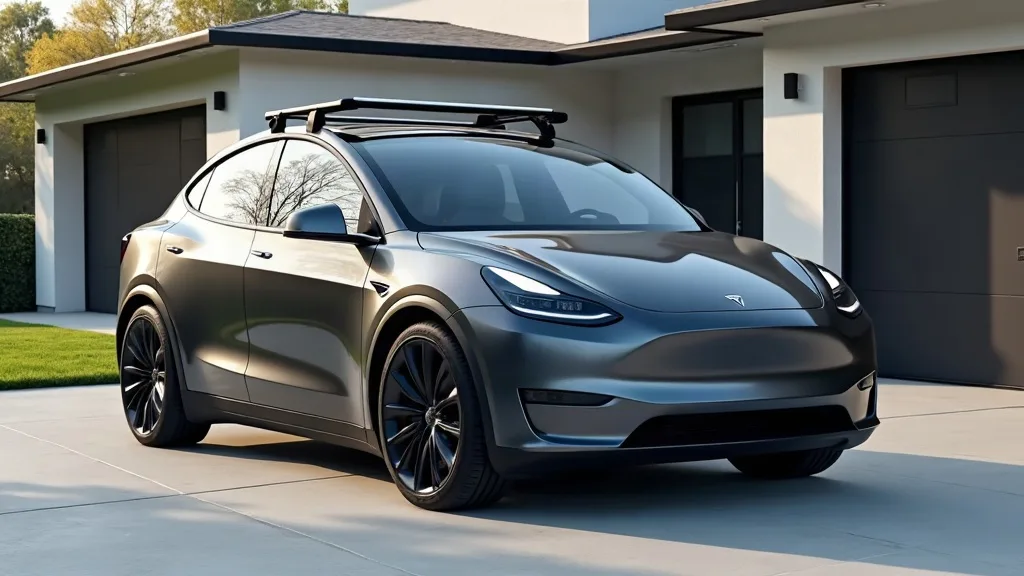
Tesla also lists roof load specifications in its official accessories pages, particularly where the Tesla-branded roof rack is sold. If you're using an aftermarket rack instead, check that supplier's documentation too, since their stated capacity might be lower than Tesla's own figure. For a broader look at how Tesla's rack compares with aftermarket options, it's worth reading Tesla Roof Rack vs Aftermarket Racks for the Model Y.
How To Add Up Rack, Box And Load Safely
Working out your real roof weight means adding three things together, not just estimating the cargo. Skipping any one of these is the most common way people accidentally go over the limit.
Step One: Weigh The Rack Itself
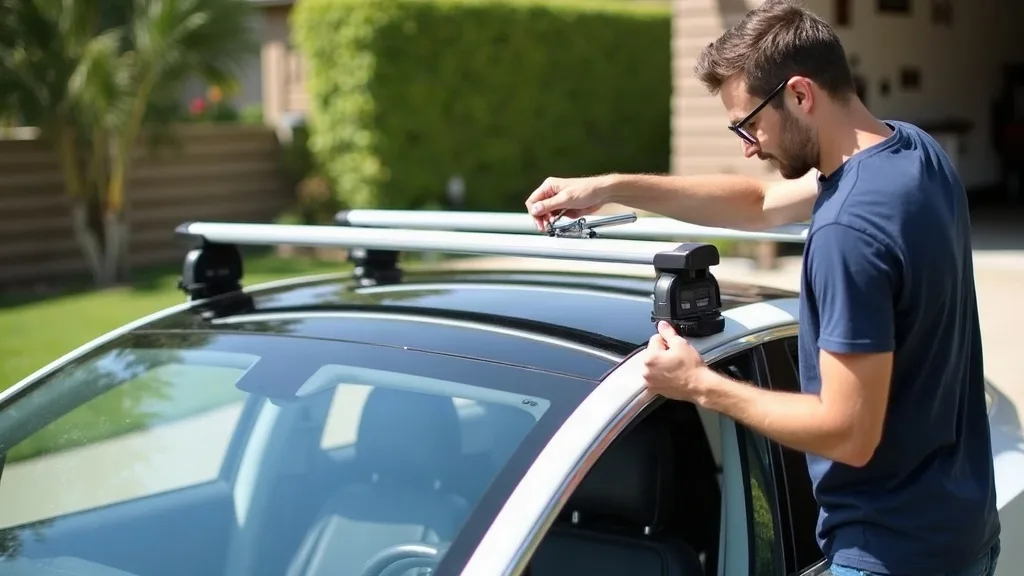
Roof rack crossbars and feet have their own weight, and that counts against your dynamic limit. Check the specification sheet that came with your rack, or weigh it yourself on a bathroom scale before fitting it. If you haven't installed one yet, our guide on How to Install a Model Y Roof Rack Step by Step covers the fitting process in detail.
Step Two: Add The Box Or Carrier Weight
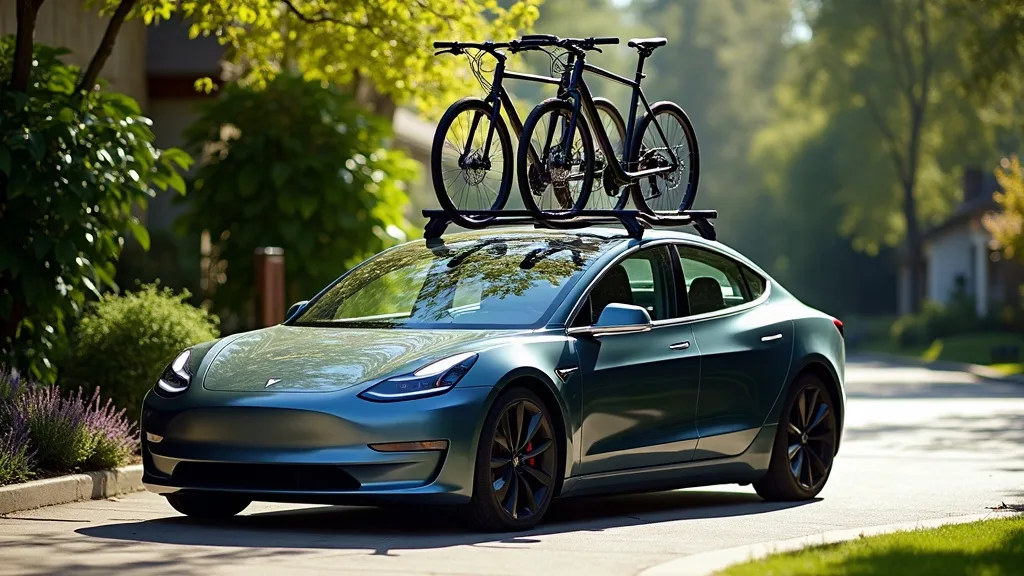
Roof boxes, bike carriers and cargo baskets all have their own empty weight before you put anything inside them. A hardshell roof box alone can weigh a fair amount, so check the manufacturer's spec sheet rather than guessing. If you're planning to carry bikes specifically, see Carrying Bikes on a Model Y Roof Rack for guidance on bike-specific weight and fitting.
Step Three: Add Your Actual Cargo
Once you know the rack weight and the box or carrier weight, add whatever you're packing inside. Camping gear, luggage or sports equipment all needs weighing, or at least estimating generously. It's easy to underestimate how heavy a fully packed roof box gets once you include tents, cooking gear and clothing for a family trip.
Putting It Together
Add all three numbers and compare the total against Tesla's dynamic limit, not the static one, if you plan on driving with the load in place. If the total comes close to or exceeds the limit, remove something or split the load between the roof and the boot. Staying a reasonable margin under the limit also gives you a buffer for uneven loading or additional items picked up along the way.
What Happens If You Go Over The Limit
Overloading the roof doesn't always cause an obvious, immediate problem, which is partly why people underestimate the risk. The real issues show up gradually or during unusual driving moments. Handling becomes less predictable, particularly in crosswinds or sharp lane changes, because the extra weight sits high above the car's centre of gravity.
Braking distances can also increase slightly, since more weight means more momentum to stop. Over time, regularly exceeding the limit can put stress on the roof mounting points, potentially causing damage that isn't visible until it becomes serious. Tesla's warranty terms may not cover roof damage caused by exceeding stated weight limits, so it's not just a safety issue but a financial one too.
Static Weight And Parked Scenarios
The static weight limit comes into play less often, but it matters for specific situations like rooftop tents or loading gear while the car sits still. Because there's no motion involved, the roof can bear more weight without the same handling risks. This is the figure Tesla usually refers to as the model y roof rack static weight limit.
Even so, static limits aren't unlimited. Leaning heavily on the roof while loading a box, or letting kids climb up to help pack, can still exceed what the structure is designed for. Treat the static limit as a ceiling for brief, stationary loading rather than an invitation to pile on as much as physically fits.
Choosing Gear That Fits Within The Limit
Once you know your numbers, choosing roof accessories becomes much easier. Lightweight roof boxes exist specifically for cars like the Model Y where every kilogram of rack weight counts against a fairly modest dynamic limit. Aluminium or composite boxes tend to weigh less than older-style hardshell designs, leaving more allowance for actual cargo.
If you're deciding between Tesla's own rack and a third-party option, weight is one of the clearest ways to compare them. Some aftermarket racks are lighter than Tesla's, which can free up extra capacity for your box and gear. Our comparison guide, Tesla Roof Rack vs Aftermarket Racks for the Model Y, breaks this down if you're still deciding which to buy.
Practical Tips For Everyday Use
A few habits make it much easier to stay within safe limits without constantly doing maths before every trip.
- Keep a written note of your rack and box weights somewhere handy, like your phone's notes app, so you're not guessing each time.
- Pack heavier items toward the centre of the roof rather than the front or back edges, which helps with balance even though it doesn't change total weight.
- Remove the rack and box when they're not in use, since driving around with unused weight on the roof affects efficiency and range for no benefit. If you need a refresher on removing it cleanly, see How to Remove a Model Y Roof Rack Without Damage.
- Check wind noise levels once loaded, since a heavier or bulkier load often makes whistling worse. How to Stop Model Y Roof Rack Wind Noise and Whistling has some fixes if this becomes an issue.
Conclusion
Understanding model y roof rack capacity really comes down to knowing two numbers, the driving limit and the parked limit, and adding up your rack, box and cargo honestly rather than roughly. Tesla's manual is the most reliable source for your exact figures, since they can differ slightly by model year. As a simple next step, weigh your current rack and box setup today, write the numbers down, and compare them against your car's manual before your next loaded trip.
FAQ
What Is The Model Y Roof Rack Weight Limit While Driving?
The dynamic limit varies slightly by model year and is listed in Tesla's official owner's manual. It's generally lower than the static limit because of the extra stress braking and cornering put on the roof. Always check your specific manual rather than relying on a figure you've seen elsewhere.
Does The Weight Limit Include The Rack Itself?
Yes, the rack's own weight counts toward the total dynamic limit, not just whatever you load onto it. This is one of the most commonly missed details when people calculate their roof capacity. Always add rack weight, box weight and cargo weight together.
Can I Use The Static Weight Limit While Driving?
No, the static limit only applies when the car is parked and stationary. Driving with a load that exceeds the dynamic limit, even if it's under the static figure, puts unnecessary strain on the roof. Stick to the lower dynamic number whenever the car is moving.
Where Can I Find The Exact Rating For My Model Y?
Check the owner's manual accessible through your car's touchscreen, or Tesla's official website for your specific model year. Figures have changed slightly across production years, so don't assume an older figure still applies. Tesla's accessories page for the official roof rack usually lists the current rating too.
Does An Aftermarket Rack Change The Weight Limit?
It can, since aftermarket racks sometimes have their own stated capacity that differs from Tesla's figure. Always use the lower of the two limits, whichever is more restrictive, to stay safe. Our comparison guide on Tesla Roof Rack vs Aftermarket Racks for the Model Y explains the differences in more detail.
Will Going Through A Car Wash Affect The Weight Limit?
Weight limits and car wash suitability are separate issues, though both relate to roof rack safety. Automatic car washes can sometimes catch a roof rack or box regardless of how much weight it's carrying. See Can You Take a Model Y With a Roof Rack Through a Car Wash? before driving through one with a rack fitted.