Network 39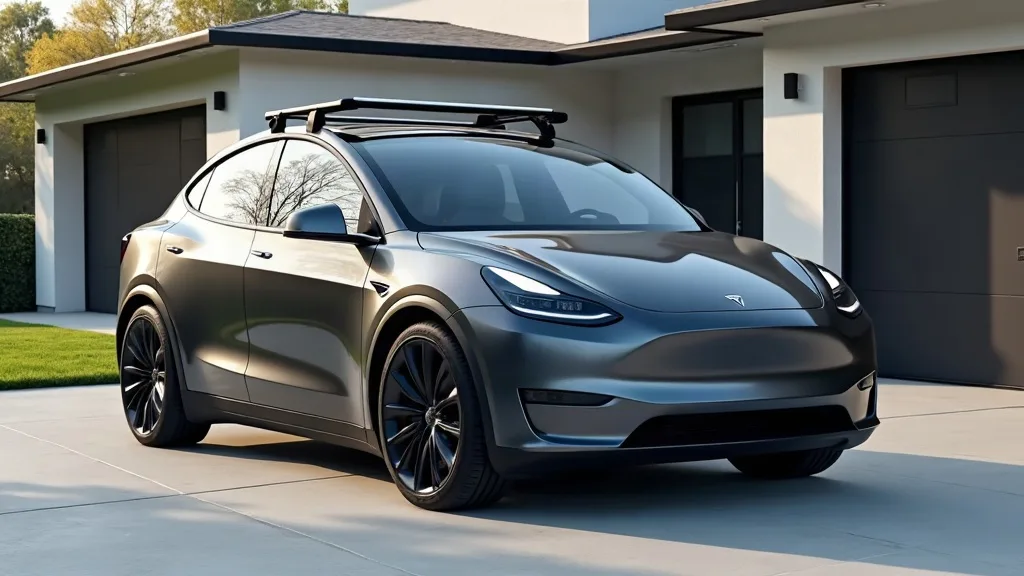
If you've shopped for a Model Y roof rack, you've probably noticed something odd: the genuine Tesla option costs roughly three times as much as some aftermarket racks that claim to do the same job. That price gap makes a lot of owners wonder if they're paying for quality or just a logo.
This guide compares the Model Y roof rack OEM vs aftermarket question from every angle that actually matters: fit, noise, how easy each is to fit, and whether the extra cost (or the money saved) is worth it. By the end, you'll know which option suits your budget, your car washes, and how much weight you plan to carry.
Key Takeaways
- The genuine Tesla rack fits the fixed glass roof points precisely and tends to be quieter at speed.
- Aftermarket racks vary hugely in quality, from excellent clamp-fit systems to loose, rattly options.
- Fitting time is similar for both types, usually 15 to 30 minutes, but tolerances differ between brands.
- Aftermarket racks often win on price and flexibility, especially if you already own bars for another car.
- Load ratings on aftermarket racks can be lower than Tesla's stated limits, so check the numbers carefully.
- Budget-conscious owners who carry light loads occasionally are usually well served by aftermarket options.
- Frequent heavy users, especially with roof boxes or kayaks, often prefer the certainty of the genuine rack.
How Fit Compares Between Tesla and Aftermarket Racks
The Model Y has fixed mounting points built into the roof rather than a running rail, which narrows down what can actually attach securely. Tesla's own rack is engineered to match those points exactly, so there's very little play once it's tightened.
Aftermarket racks use the same mounting points in most cases, but manufacturing tolerances vary. Some brands fit almost as snugly as the genuine rack. Others need a bit of wiggling, shimming, or extra tightening to stop movement. If you're buying aftermarket, read recent reviews specifically for the Model Y, not just the brand's general reputation, because fit quality can differ between their car-specific kits.
Noise at Speed: Genuine vs Aftermarket
Wind noise is one of the most common complaints with any roof rack, and it's where the gap between OEM and aftermarket really shows. Tesla's rack has a shaped profile designed to reduce whistling, and most owners report it's noticeably quieter than cheaper alternatives above 80 km/h.
Cheaper aftermarket bars, particularly square or basic round designs, can produce a persistent whistle once you're at motorway speed. Aerodynamic aftermarket bars (the teardrop-shaped kind) close that gap considerably and sometimes match the Tesla rack for quietness. If you already have whistling trouble, our guide on how to stop Model Y roof rack wind noise and whistling covers fixes that apply to both OEM and aftermarket setups.
Ease Of Fitting: What To Expect
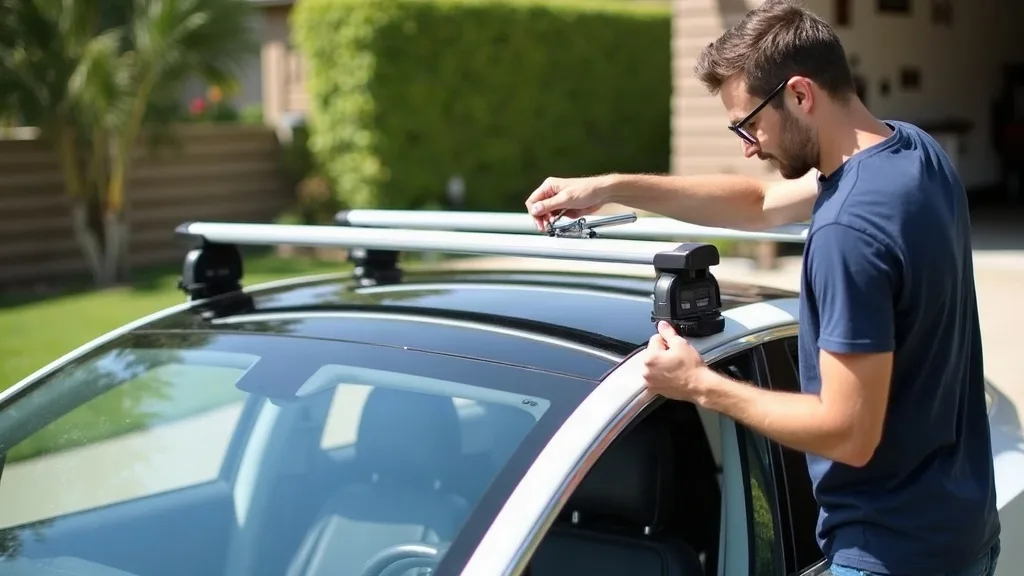
Fitting either type of rack follows a similar process: locate the mounting points under the trim caps, secure the feet, then tighten to the specified torque. Tesla's rack ships with clear instructions and includes everything needed in the box.
Aftermarket kits vary more. Some include a torque wrench and simple step-by-step guides; others assume a bit more DIY confidence and leave you checking online videos. Budget an extra 10 minutes if you're fitting an aftermarket rack for the first time, just in case the fit isn't quite plug-and-play. For a full walkthrough that applies to most rack types, see our complete owner's guide to the Model Y roof rack.
Removing The Rack Without Damage
Whichever rack you choose, removing it correctly matters just as much as fitting it. Rushing the job or using the wrong tool can scratch the roof or strip the mounting caps. If you're swapping between a genuine and aftermarket rack, or just storing it over winter, our guide on how to remove a Model Y roof rack without damage is worth reading before you start.
Protecting The Glass Roof
The Model Y's panoramic glass roof is one reason Tesla designed its own rack so carefully. Poorly fitted aftermarket feet can press unevenly on the glass surround, which isn't ideal over thousands of kilometres of vibration.
This doesn't mean aftermarket racks are unsafe, but it does mean you should check the contact points before a long trip. A loose foot or a pad that's sitting slightly off can cause more wear than you'd expect. Our article on protecting Model Y roof glass from a roof rack goes into more detail on what to watch for, regardless of which rack you're running.
Value For Money: Is The Genuine Rack Worth It
This is where the OEM vs aftermarket decision usually comes down to how you use the car. The genuine Tesla rack costs more upfront, but it holds its resale value reasonably well if you ever sell the car with it included, and it avoids any guesswork about fit or load rating.
Aftermarket racks, especially from established roof rack brands, often cost half to a third of the Tesla price and still perform well for light to moderate use. If you're carrying a bike rack once a month or a small amount of camping gear, the savings are hard to ignore. If you're regularly loading a roof box near the maximum weight limit, the certainty of the genuine rack's tested capacity becomes more valuable.
Who Each Option Actually Suits
The Genuine Tesla Rack Suits
- Owners who want minimal noise and a precise fit without research
- Anyone planning to carry heavier loads regularly, such as roof boxes
- People who plan to sell the car with the rack included, for resale appeal
Aftermarket Racks Suit
- Owners on a tighter budget who still want a functional rack
- Anyone switching accessories between multiple vehicles, since many aftermarket brands make compatible bars for different cars
- Occasional users who carry light gear a few times a year
If you've previously owned a Model 3 and wondered whether your old rack might work, it's worth checking our piece on whether a Model 3 roof rack fits the Model Y, since the mounting points aren't identical between the two cars.
Carrying Specific Gear: Kayaks, Bikes, and Boxes
Whichever rack you choose, the accessories you attach matter just as much as the base rack itself. Kayaks and surfboards need specific cradles or straps, and not every aftermarket rack has the same range of compatible add-ons as Tesla's own accessory line.
If you're planning to carry water sports gear, read our guide on how to carry a kayak or surfboard on a Model Y before buying, since it covers which rack styles work best with different cradle systems.
Keys, Locks, and Replacement Parts
One area where genuine and aftermarket racks differ quietly is in long-term ownership. Tesla's rack uses a specific key and lock system, and losing that key can be more annoying than it sounds. Aftermarket racks often use generic locks that are easier to replace from the manufacturer directly.
If you've misplaced a key or need a replacement part for either system, our article on Model Y roof rack keys and replacement parts explains what's available and how to order the right part for your specific rack.
Car Washes And Daily Practicality
A roof rack changes how your car fits through automated car washes, and this applies equally to genuine and aftermarket setups. Taller racks or roof boxes can catch on brushes or overhead equipment in some wash bays.
Before you assume it's fine to drive straight through, check our guide on taking a Model Y with a roof rack through a car wash, since it covers which types of wash are safe and which to avoid altogether.
Conclusion
The model y roof rack OEM vs aftermarket decision really comes down to how often you'll use it and how much noise and fuss you're willing to tolerate. The genuine Tesla rack offers a tighter fit, quieter driving, and tested load limits, while a well-reviewed aftermarket rack can deliver similar practicality for less money if your needs are lighter. Whichever you choose, fit it carefully, check it periodically, and you'll get years of reliable use either way.
FAQ
Is the genuine Tesla Model Y roof rack worth the extra cost?
It depends on how often you'll use it and how much weight you plan to carry. For regular, heavier loads, the precise fit and tested capacity usually justify the price. For occasional light use, a quality aftermarket rack can be just as practical.
Do aftermarket racks fit the Model Y as well as the original?
Many do, but fit quality varies between brands. Choose a rack specifically designed for the Model Y rather than a generic universal fit, and check recent owner reviews before buying.
Which is quieter, the OEM or aftermarket rack?
The genuine Tesla rack tends to be quieter at motorway speeds due to its shaped profile. Aerodynamic aftermarket bars can come close, but basic square-bar designs are usually noisier.
Can I use a Model 3 roof rack on a Model Y?
Not directly in most cases, since the mounting points differ between the two models. Check compatibility carefully before assuming parts will transfer.
How long does it take to fit a roof rack on a Model Y?
Most racks, genuine or aftermarket, take 15 to 30 minutes to fit with basic tools. First-time aftermarket fittings can take slightly longer if the instructions are less detailed.
Will an aftermarket rack affect my car's resale value?
It's unlikely to hurt resale value significantly, but a genuine Tesla rack included with the sale can be a small selling point for buyers who want an easy, official fit.