Network 39
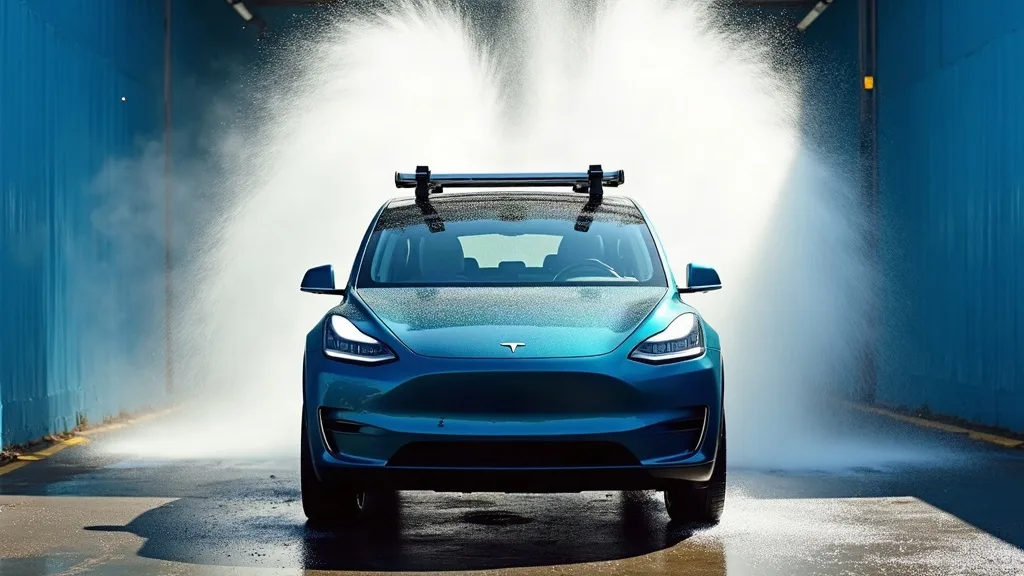
Most car wash operators will tell you the same thing: roof racks and automatic washes don't mix well. Yet plenty of Model Y owners still roll up to the local tunnel wash with a rack fitted, wipers forward, and hope for the best. Some get away with it. Others end up with a scratched roof, a dented rack, or a very awkward conversation with the wash attendant about who's paying for the damage.
If you're wondering whether your Model Y roof rack car wash plan is actually a good idea, this guide gives you a straight answer for both automatic and hand washes, plus some safer ways to get a clean car without the risk.
Key Takeaways
- Automatic tunnel washes with overhead brushes or cloth strips are the riskiest option for a Model Y with a roof rack fitted.
- Touchless (laser) automatic washes are generally safer, but a fitted rack can still trigger height sensors or alarms at some sites.
- Hand washing is the safest method when a roof rack is on the car, as long as you're careful around the mounting points and glass roof.
- Removing the rack before a wash takes a few minutes and avoids the guesswork entirely.
- Crossbars and especially any attached cargo boxes or kayak cradles increase both height and width, raising the risk of contact with wash equipment.
- Always check the posted height clearance at the car wash before driving in with a rack fitted.
- If in doubt, a wash-and-go that lets you keep your hands on the sponge beats an automatic tunnel every time.
Automatic Car Washes: Why They're Risky With a Roof Rack
Automatic tunnel washes are built around a fairly standard vehicle profile. Rotating brushes, cloth strips, and overhead arms are set up to skim just above a typical roofline, usually with a bit of spare room for roof rails or a small aerial.
A Model Y roof rack changes that profile. The crossbars sit a few centimetres above the roof surface, and the mounting feet add extra width at the edges. That's often enough to turn a harmless wash into a problem, especially if the brushes are stiff or the wash has been set up without much tolerance.
What Can Go Wrong
The most common issues are scuffed paint on the crossbars, bent or twisted feet, and in worse cases, a rack getting caught and dragged, which can scratch the glass roof underneath. Tesla's panoramic glass roof is tougher than people assume, but it's not immune to a determined brush snagging on a loose rack component.
If you've ever noticed a slight whistle or rattle after fitting a rack, it's worth reading up on how to stop Model Y roof rack wind noise and whistling, because a rack that isn't perfectly seated is also more likely to shift during a wash.
Touchless Washes: A Slightly Better Option
Touchless or laser washes use high-pressure water and detergent instead of physical brushes, which removes the main risk of contact damage. If you need to use an automatic wash with a rack fitted, this is the better choice of the two.
That said, touchless washes aren't completely risk-free. Some sites have height-restricted entry gates or overhead arches that measure your vehicle as it approaches. A roof rack, and especially a roof box or bike mount left in place, can trip these sensors even if the brushes themselves never touch the car.
Checking Clearance Before You Drive In
Most touchless washes post a maximum height on a sign near the entrance. With a rack fitted, add roughly 5 to 8 centimetres to your Model Y's standard roof height, more if you've got a box or bars for a kayak or surfboard attached. If you're unsure of your exact rack dimensions, the Model Y roof rack dimensions and specs guide has the numbers you need to compare against the posted limit.
Hand Washes: The Safer Choice
If you want to keep the rack on and still get a proper clean, a hand wash is the way to go. There's no moving machinery overhead, so the main risks come down to how careful the person washing the car is being.
Most professional hand wash staff will happily work around a roof rack once you point it out. A quick heads up when you hand over the keys, something like "there's a roof rack fitted, please go easy around it," usually does the job. They can rinse and wipe the bars and feet by hand rather than blasting them with a pressure washer at close range.
Doing It Yourself
Washing it yourself gives you full control. Use a soft wash mitt and a dedicated glass or paint-safe cleaner around the mounting points, rather than scrubbing hard at the feet where the rack meets the roof. Be gentle around the glass roof panels themselves, particularly near the rack feet, since this is the area covered in detail in protecting Model Y roof glass from a roof rack.
A soft brush on an extendable pole can help you reach the crossbars without climbing on the car, which is worth avoiding since standing on the roof or glass panels isn't something Tesla recommends.
Why Removing the Rack First Is Often Easiest
If you're not in a rush, taking the rack off before a wash removes all the guesswork. Without it, your Model Y goes back to a completely standard profile that any automatic wash is designed to handle.
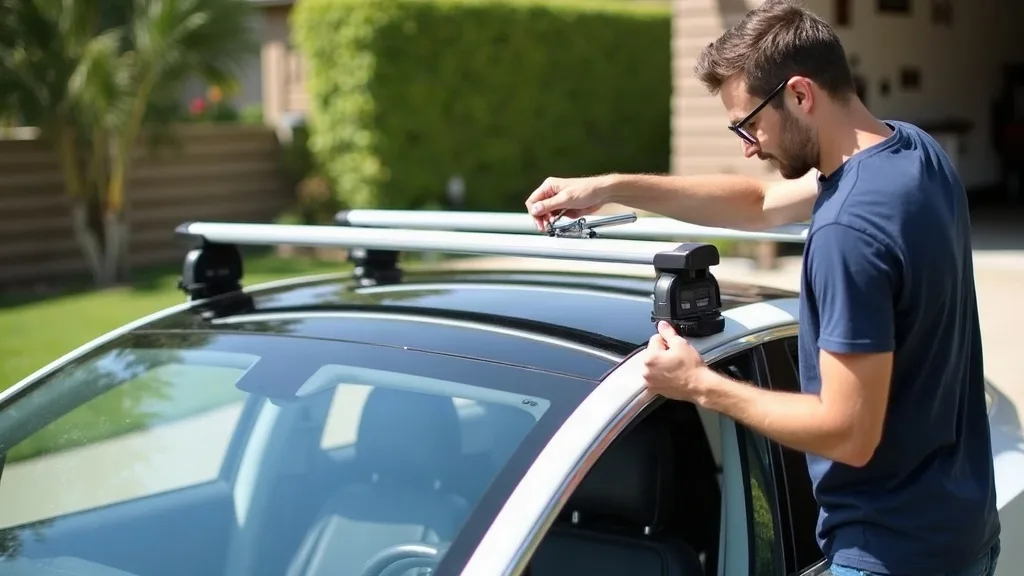
Removing a Tesla roof rack is quicker than most people expect once you've done it a couple of times. The guide to removing a Model Y roof rack without damage walks through the steps, and most owners get it down to under five minutes with practice.
This is particularly worth doing if you only use the rack occasionally, say for a once-a-month trip with a kayak or bike. Between trips, storing the rack in the boot or garage and refitting it when needed is far less hassle than worrying every time you pull into a wash.
Keep Track of Your Keys and Fittings
One thing that catches people out after removing a rack is misplacing the small parts, especially the rack keys or T-bolts. If you've lost track of yours, Model Y roof rack keys and replacement parts covers where to find replacements without needing a full new rack kit.
What About Roof Boxes, Kayaks and Bike Mounts?
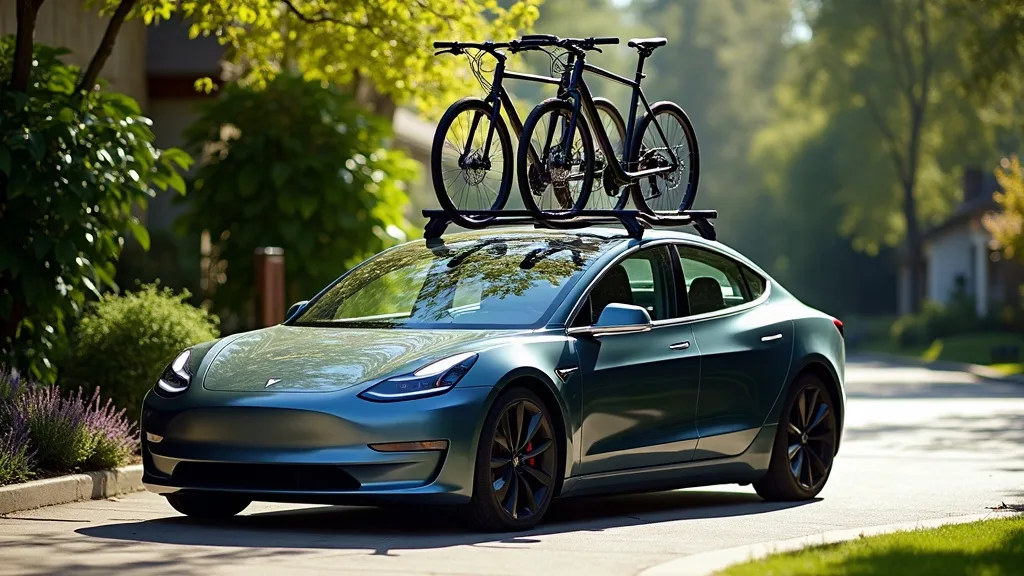
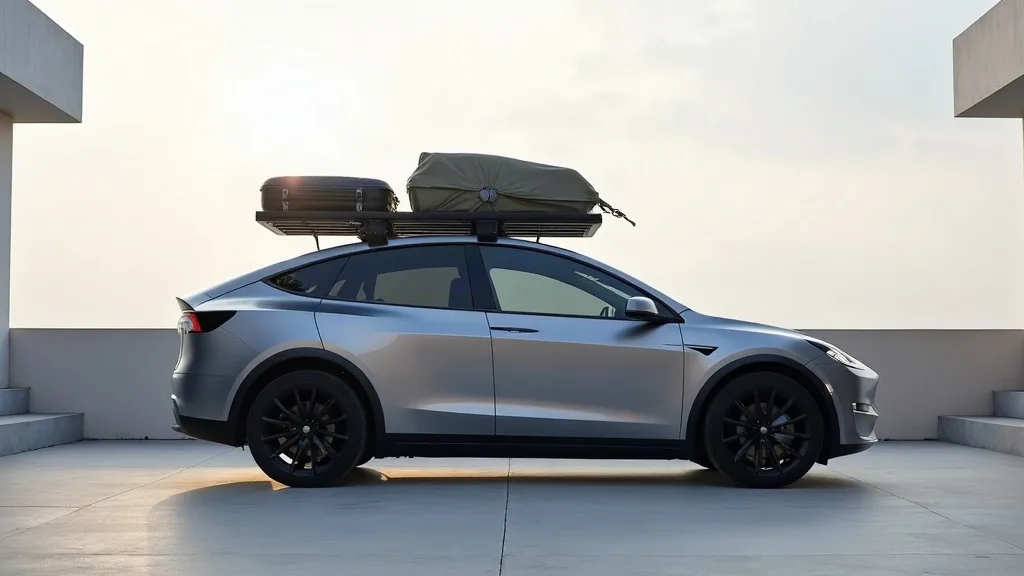
A bare set of crossbars is one thing, but a roof box, kayak cradle, or bike mount is a different story entirely. These accessories add height, width, and sometimes length overhangs that make automatic washes a definite no-go.
If you've just come back from a trip carrying a kayak or surfboard, it's worth removing the load and any specific mounts before even considering a touchless wash. The guide to carrying a kayak or surfboard on a Model Y has tips on securing and removing these setups safely, which pairs well with getting the car properly cleaned afterwards.
For anyone who's fitted a Model 3 rack to their Model Y, or is wondering whether that's even compatible, the fit and dimensions can differ slightly from Tesla's own rack, which may affect wash clearance too. It's covered in does a Model 3 roof rack fit the Model Y if you're not sure which rack you actually have.
A Quick Decision Guide
Here's a simple way to think it through before you head out:
- Automatic brush wash, rack fitted: avoid it, the risk of scratches or a damaged rack is too high.
- Touchless wash, rack fitted: possible, but check the height clearance sign first.
- Hand wash, rack fitted: fine, just mention the rack to whoever's washing it.
- Any wash, rack and roof box or kayak mount fitted: remove the accessories first.
- Rack removed entirely: any wash type is fine, treat it like a standard Model Y.
If you're new to Tesla roof racks altogether, the complete owner's guide to the Tesla Model Y roof rack is a good starting point for understanding how the whole system fits together, from installation through to care and maintenance.
Conclusion
The short answer to the model y roof rack car wash question is that automatic brush washes and roof racks don't get on, touchless washes are a bit better but still need a height check, and hand washing is the safest route if you want to keep the rack fitted. For anyone who only uses their rack now and then, taking it off before a wash and refitting it afterwards is the simplest way to avoid any risk at all. Next time you're due a wash, have a quick look at what's fitted to your roof and choose the method that matches, it only takes a moment and saves a lot of hassle.
FAQ
Can I take my Model Y through an automatic car wash with the roof rack on?
It's best avoided with brush-style automatic washes, since the crossbars and feet sit higher than a standard roofline and can get caught by rotating brushes. A touchless wash is a safer middle ground, but always check the posted height clearance first.
Will a car wash damage my Tesla's glass roof if I have a rack fitted?
It's possible, particularly if a rack component becomes loose or a brush drags across it. Keeping the rack properly tightened and opting for hand washing around the mounting points reduces this risk significantly.
Is it better to remove the roof rack before every wash?
If you only use the rack occasionally, removing it before a wash is the safest and most reliable option. It takes just a few minutes and completely avoids the risk of contact damage.
Do hand car washes charge extra for vehicles with roof racks?
Some might, particularly if the rack adds noticeable time to the job, but it varies by location. It's worth asking when you book or arrive.
Can I leave a roof box on during a touchless wash?
It's not recommended. Roof boxes add significant height and width, increasing the chance of triggering entry sensors or barriers even at a brushless wash.
How do I know if my roof rack will fit under a car wash's height limit?
Check the clearance height posted at the wash entrance and compare it to your Model Y's roof height plus the rack's added height, usually a few centimetres. If you're unsure of the exact figures, checking your rack's specifications beforehand avoids an awkward moment at the gate.